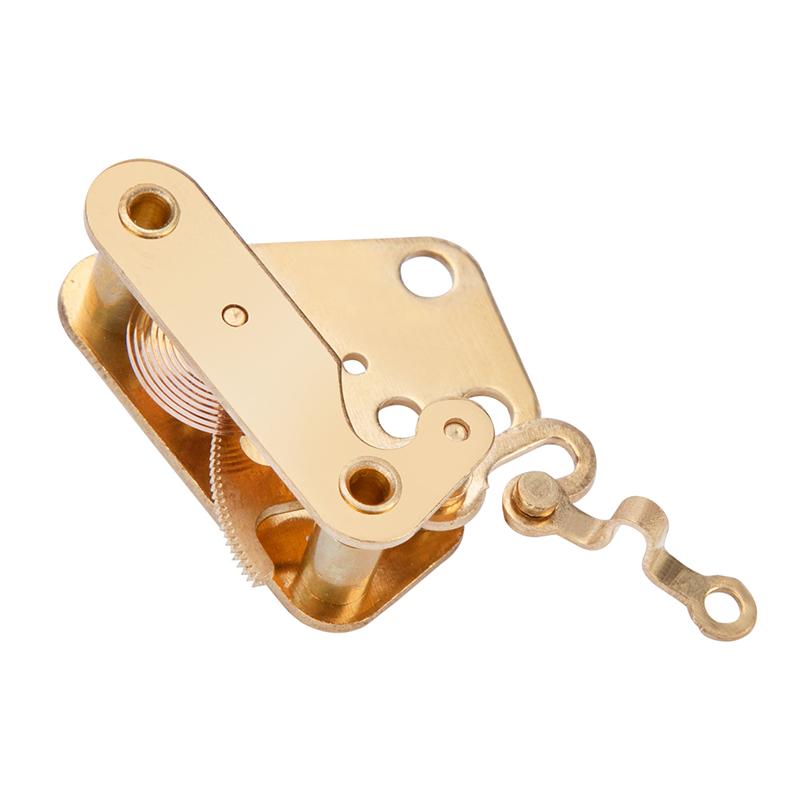
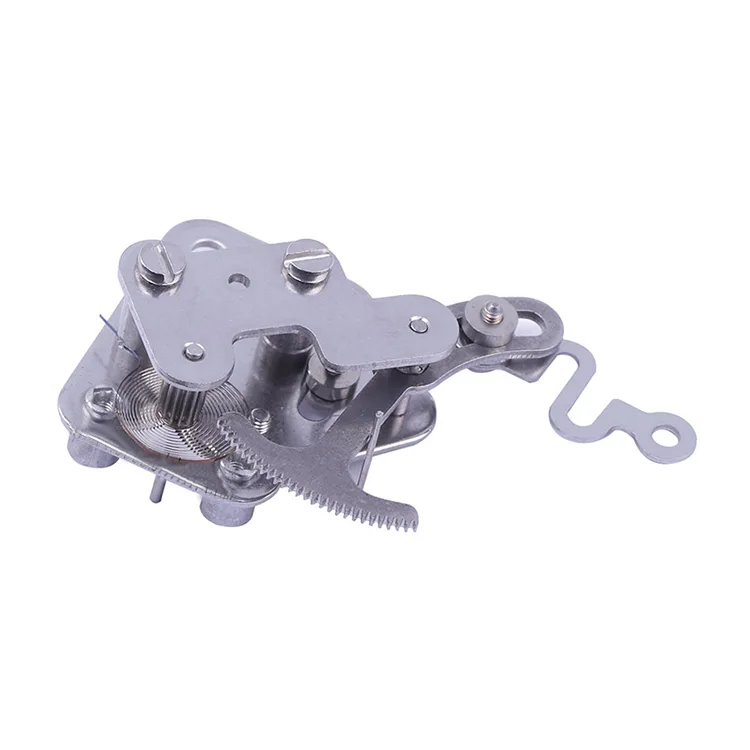
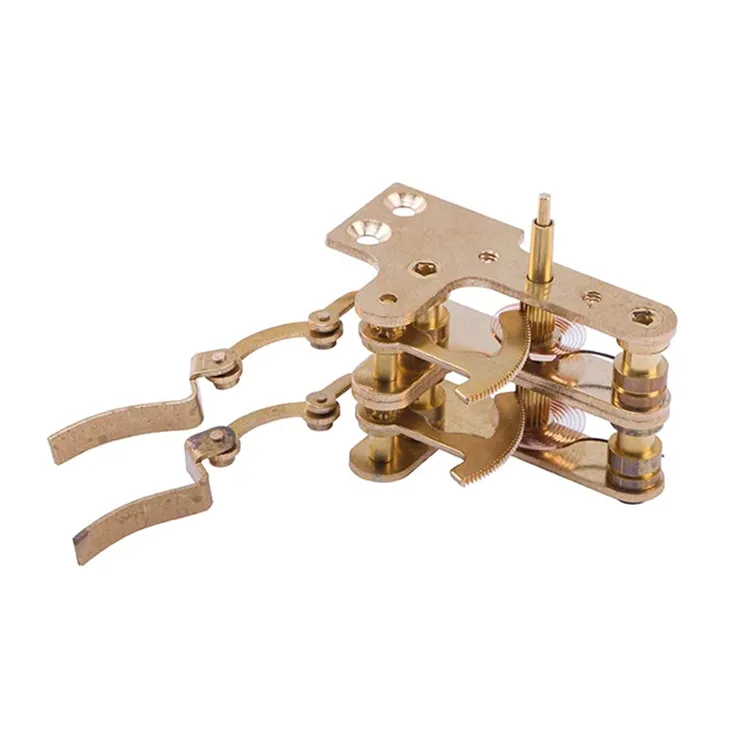
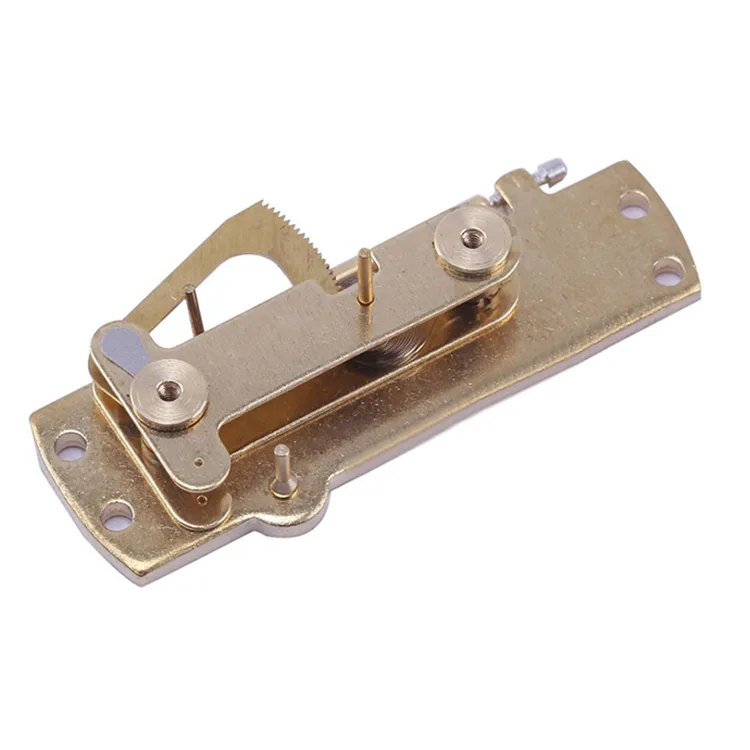
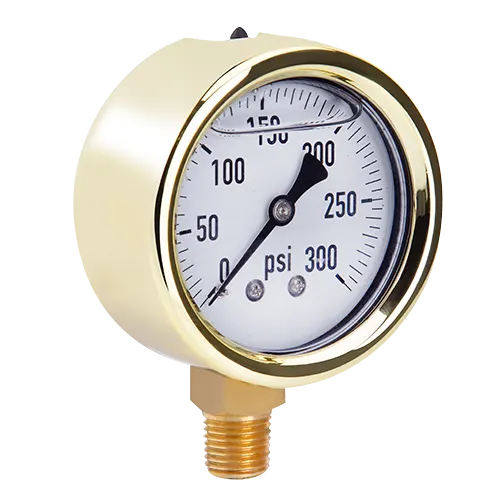
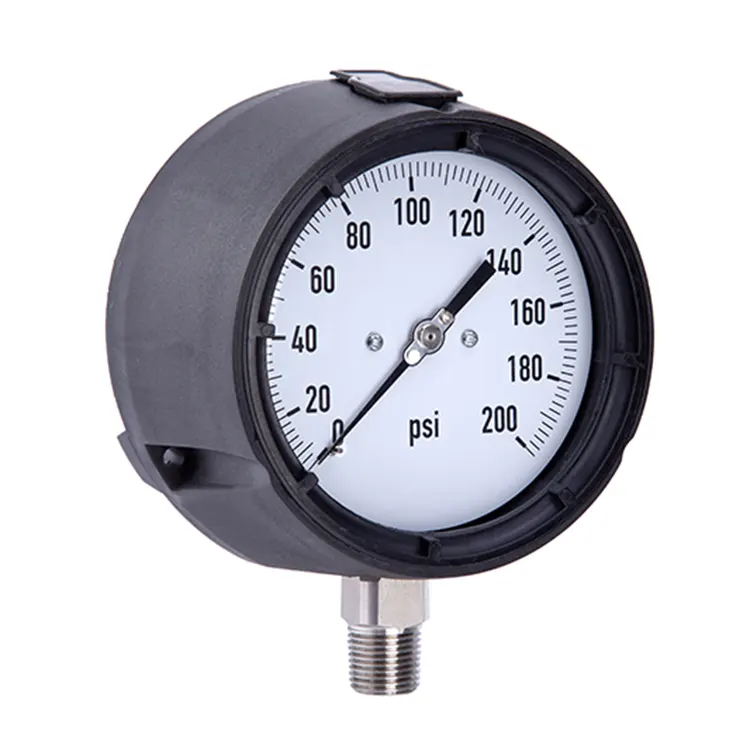
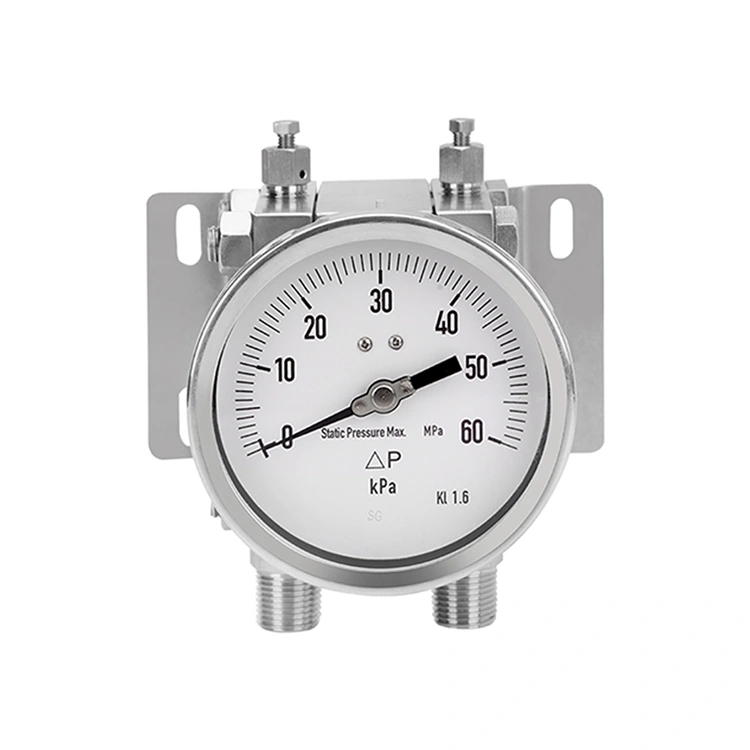
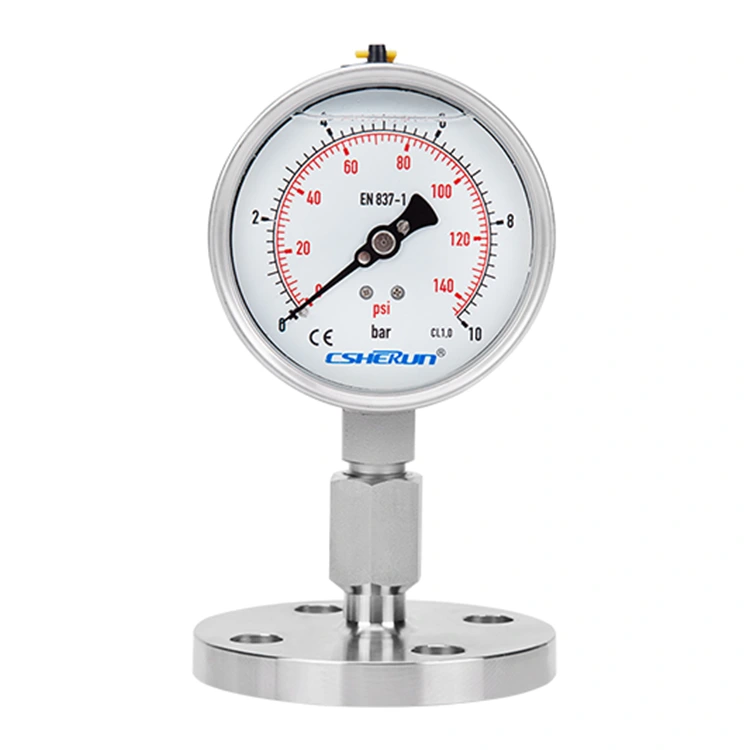
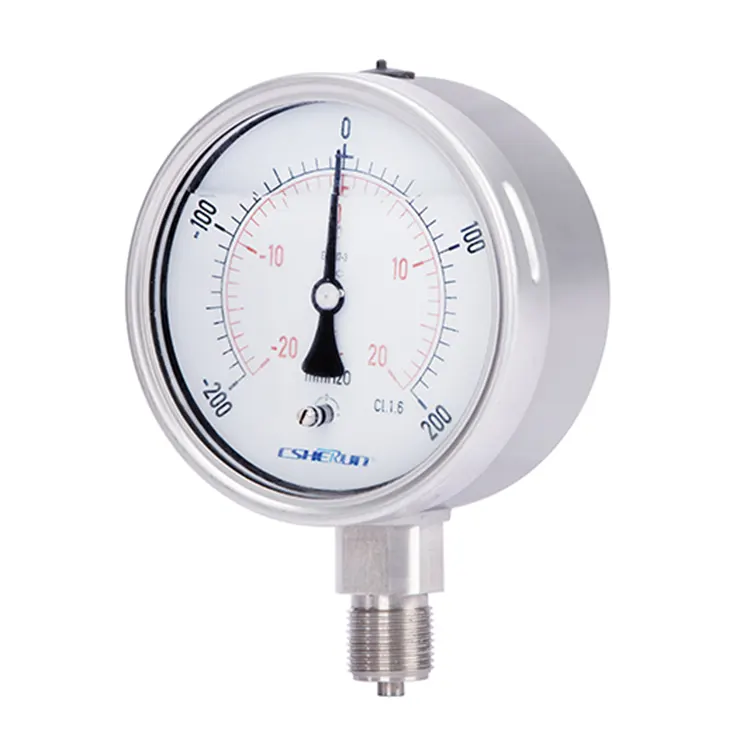
Pressure Gauge Movement, or gauge mechanism, is the core component of a pressure gauge responsible for converting pressure into a readable indication. It typically consists of a bourdon tube, spring element, or diaphragm that deflects in response to pressure changes. This deflection is then translated into pointer movement on a calibrated dial, providing a visual representation of the pressure within a system. The precision and reliability of the gauge movement are crucial for accurate pressure measurement and monitoring in various industrial applications.
In the case of bourdon tube movements, the tube is a curved, hollow metal tube that straightens out when pressure is applied. This straightening action causes a lever system to rotate, driving the pointer across the dial. Bourdon tube movements are known for their durability and accuracy over a wide range of pressures and temperatures. Spring element movements, on the other hand, utilize a coiled spring that compresses or expands with pressure changes, transmitting this motion to the pointer. These movements are often used in applications requiring high sensitivity and compact design.
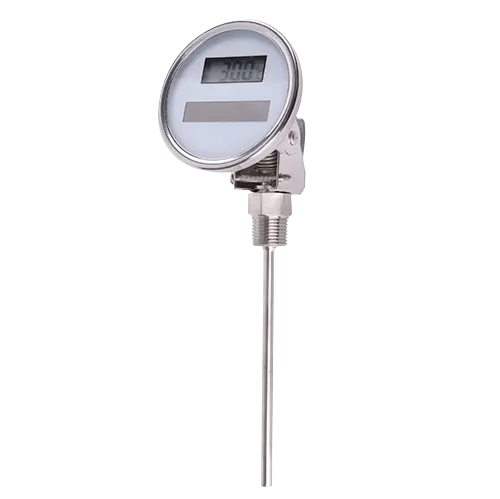
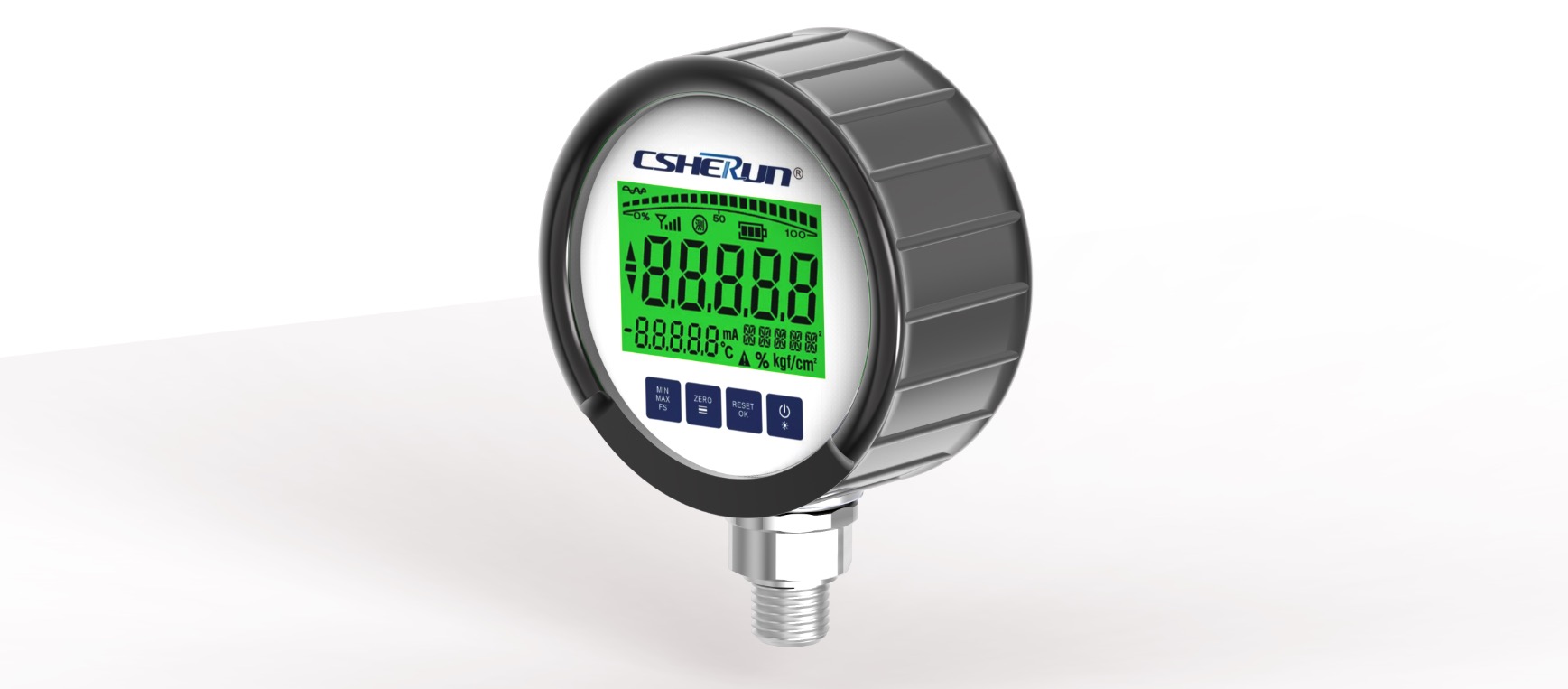
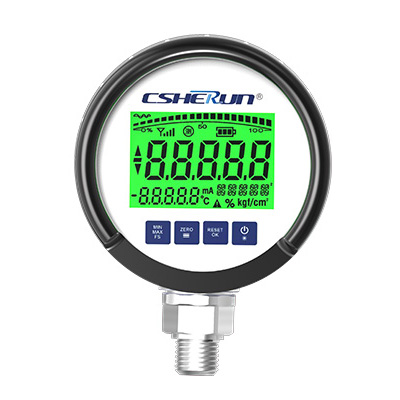
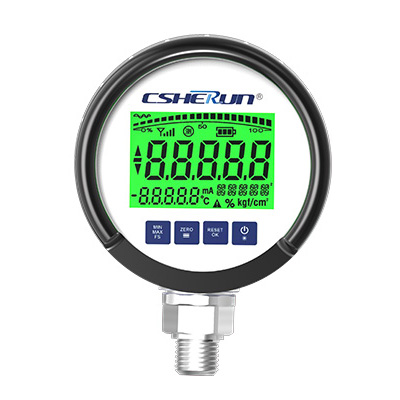
Advanced Pressure Gauge Movements may incorporate electronic sensors that convert pressure into an electrical signal, which is then processed and displayed digitally. These electronic movements offer enhanced precision, data logging capabilities, and remote monitoring options, making them ideal for modern industrial automation and control systems. Whether mechanical or electronic, the design and performance of the Pressure Gauge Movement are essential factors in ensuring accurate and reliable pressure measurement.