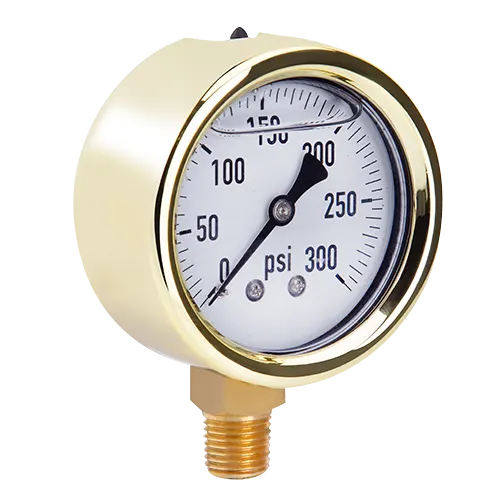
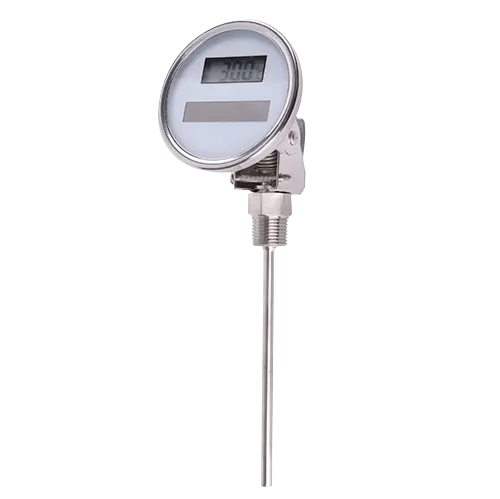
A contact pressure gauge is a vital instrument for monitoring and measuring pressure in various industrial applications. It provides accurate readings, ensures system safety, and helps optimize equipment performance. In this article, we explore its working principle, types, benefits, installation, maintenance, and FAQs to help users make informed decisions.
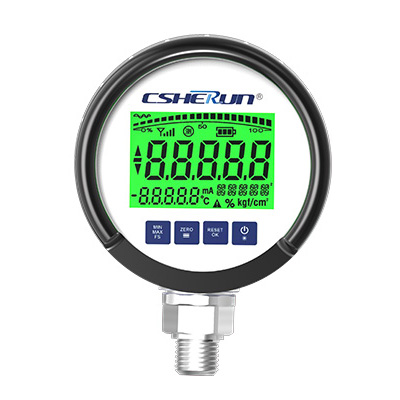
Digital pressure gauges have become essential tools across industrial, commercial, and laboratory environments due to their precision, reliability, and ease of use. This article provides a comprehensive overview of how digital pressure gauges function, their advantages over traditional analog devices, and how to select the right model for specific applications. It also addresses common user challenges and offers practical solutions to enhance measurement accuracy and operational efficiency.
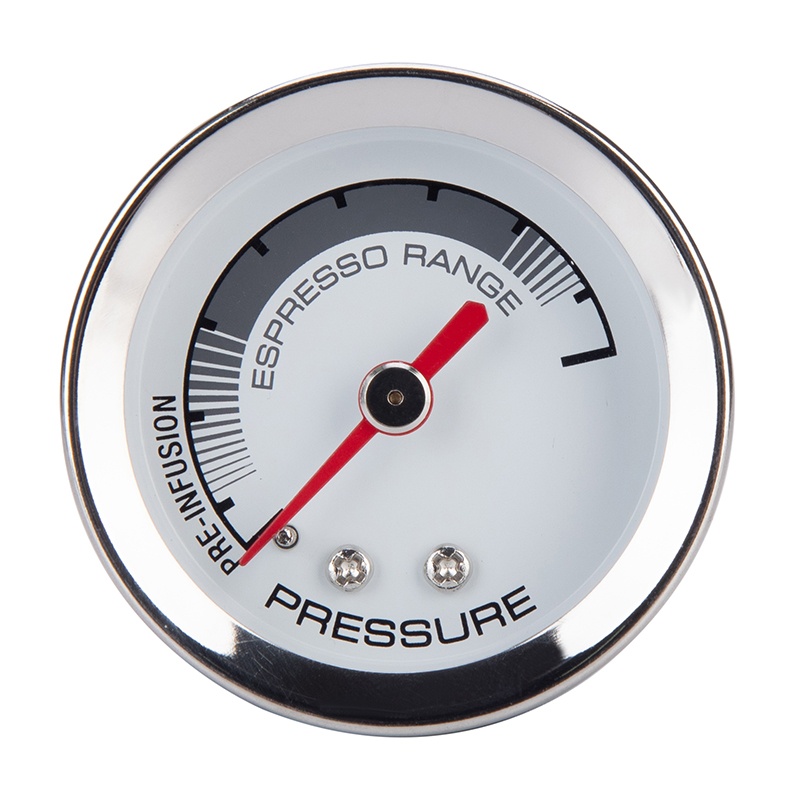
A Capsule Pressure Gauge is a precision instrument designed to measure low-pressure ranges with high sensitivity and stability. It is widely used in industries such as HVAC, medical equipment, environmental monitoring, gas regulation, and laboratory systems where accurate low-pressure measurement is critical. This article provides a comprehensive explanation of how a capsule pressure gauge works, its structural components, application scenarios, selection criteria, and common challenges faced by users. Clear explanations, structured sections, and practical guidance are included to help decision-makers and engineers choose the right solution for their specific requirements.
Bourdon Tube Pressure Gauges are widely used mechanical instruments for accurate pressure measurement in industrial applications. Known for their durability and precision, these gauges convert pressure into mechanical displacement to display readings. This article explores their design, operation, key specifications, and practical applications.
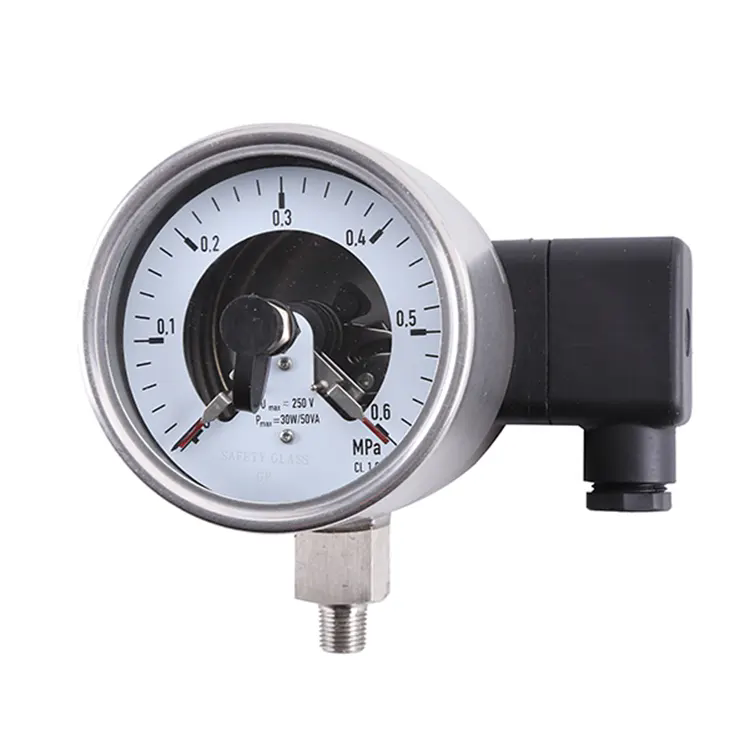
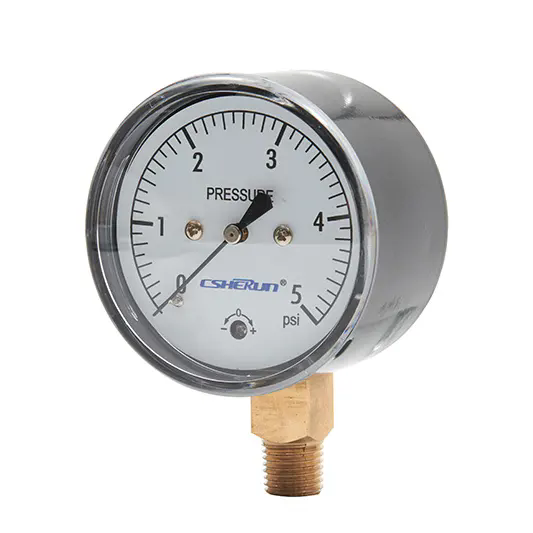
Contact pressure gauges are vital instruments in industrial and mechanical systems for accurate pressure measurement. This article explains how these gauges work, their key applications, benefits, selection criteria, maintenance tips, and answers common questions to help engineers, technicians, and operators optimize system performance.
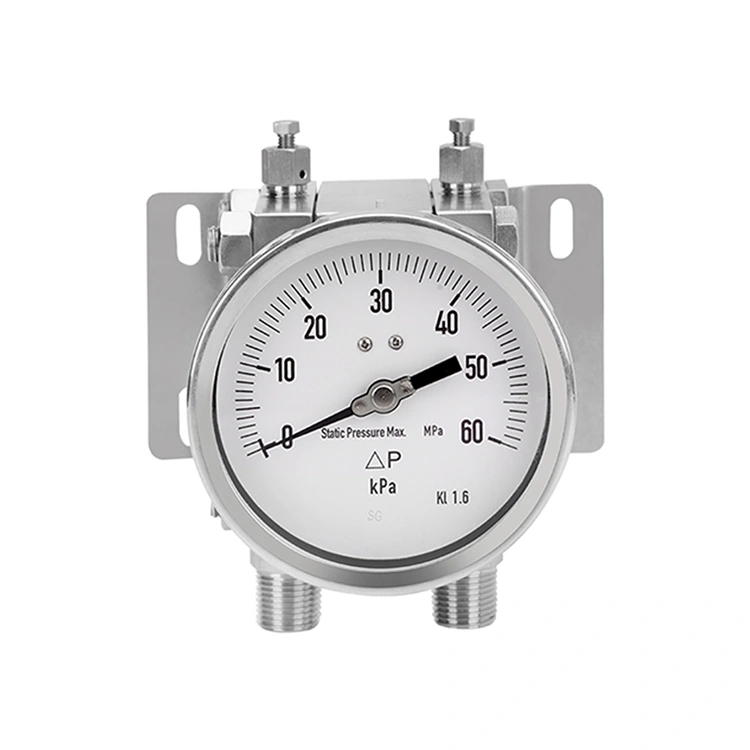
A Differential Pressure Gauge is a critical measuring instrument used to monitor the pressure difference between two points in a system. It plays a vital role in filtration monitoring, HVAC systems, cleanrooms, process control, and industrial safety. This in-depth guide explains how differential pressure gauges work, where they are used, how to choose the right model, and why reliable manufacturing from experienced suppliers like Changshu Herun matters for long-term performance and accuracy.
We use cookies to offer you a better browsing experience, analyze site traffic and personalize content. By using this site, you agree to our use of cookies.Privacy Policy

 17 2026-04
  19 2026-03
  10 2026-02
  29 2026-01
  16 2026-01
  23 2025-12