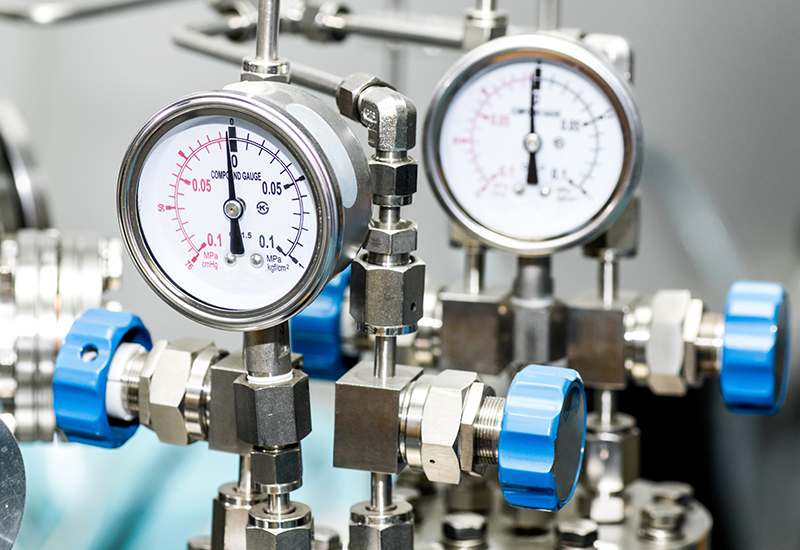
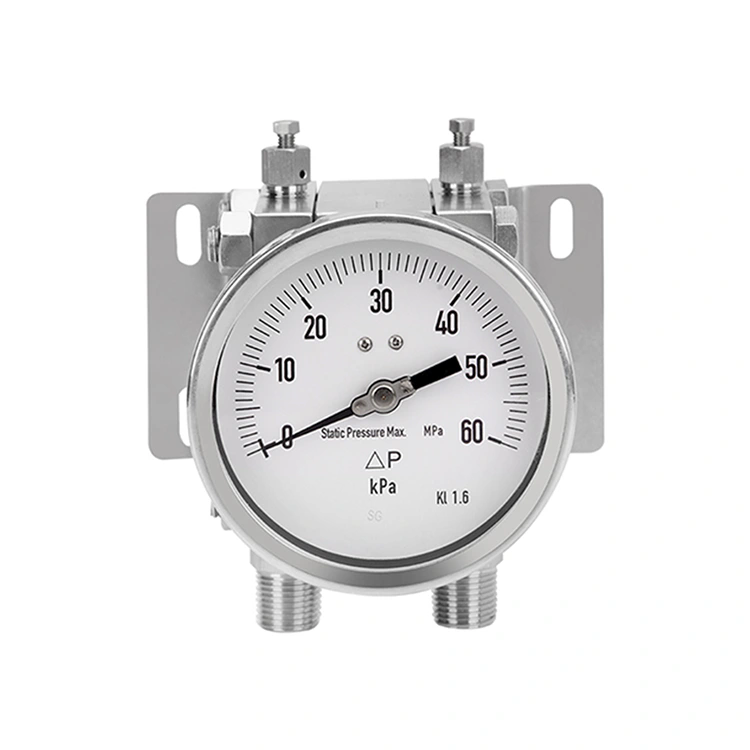
Summary: Contact pressure gauges are vital instruments in industrial and mechanical systems for accurate pressure measurement. This article explains how these gauges work, their key applications, benefits, selection criteria, maintenance tips, and answers common questions to help engineers, technicians, and operators optimize system performance.
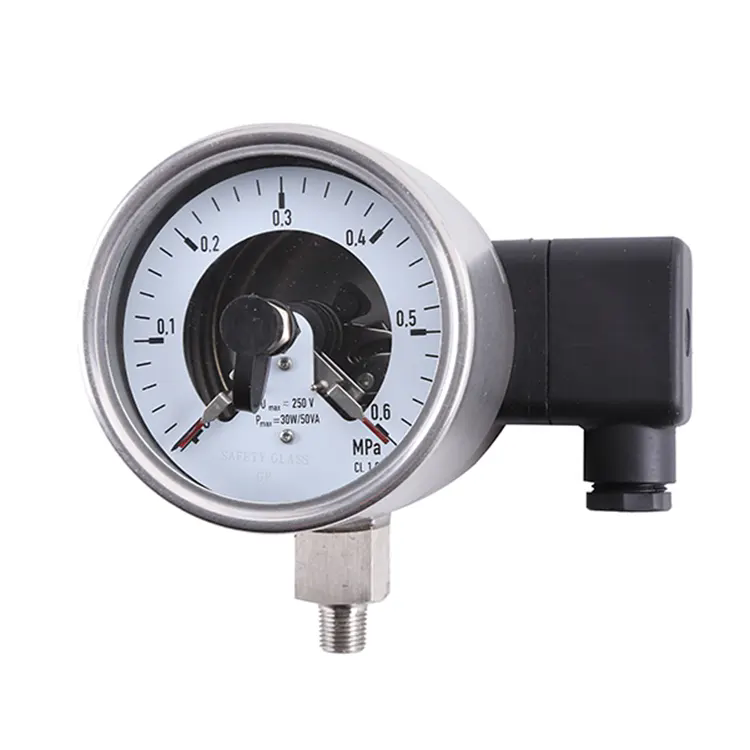
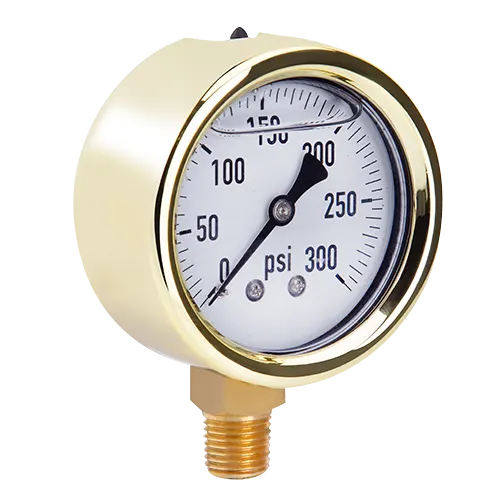
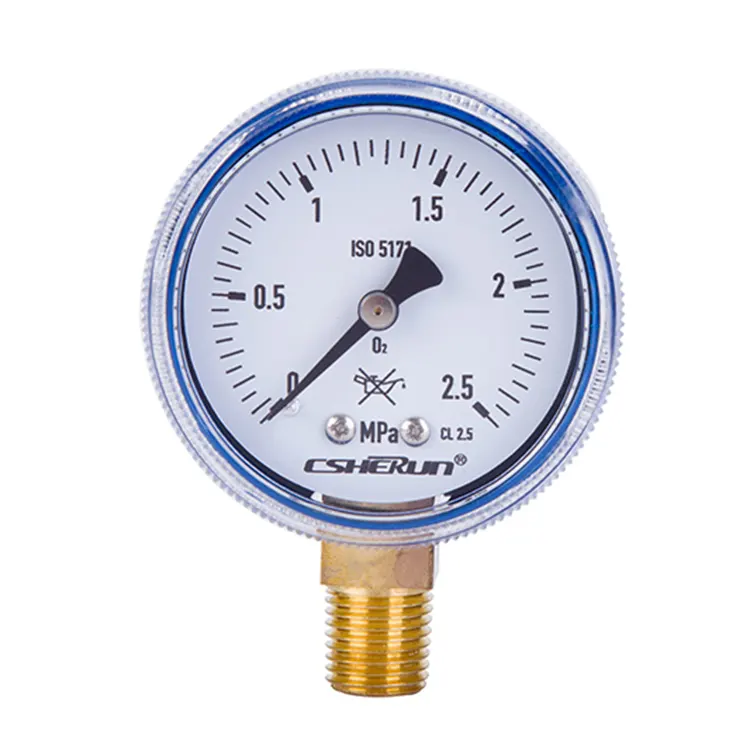
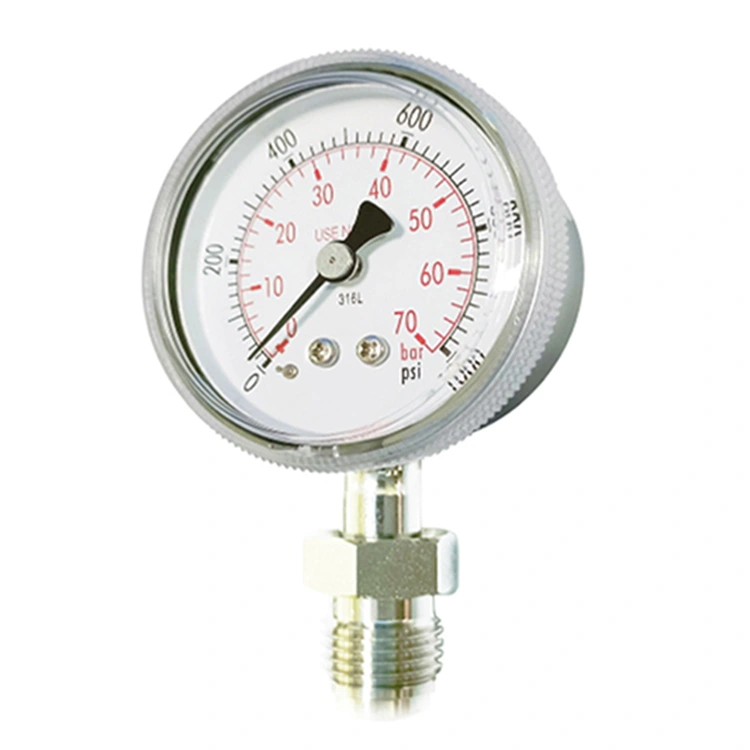
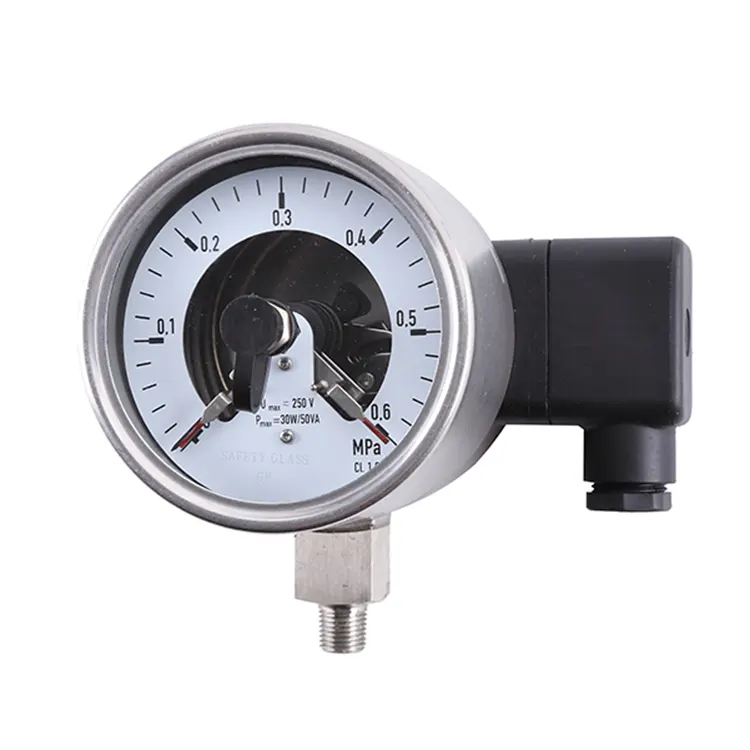
Contact pressure gauges are specialized instruments designed to measure and display the pressure exerted by liquids or gases in industrial systems. Unlike traditional pressure gauges, contact pressure gauges often provide higher accuracy and are designed for continuous monitoring in critical applications.
Modern contact pressure gauges are built with durable materials that resist corrosion, high temperature, and vibration, ensuring reliability even in harsh environments. They are widely used in hydraulic systems, refrigeration, chemical processing, and machinery monitoring.
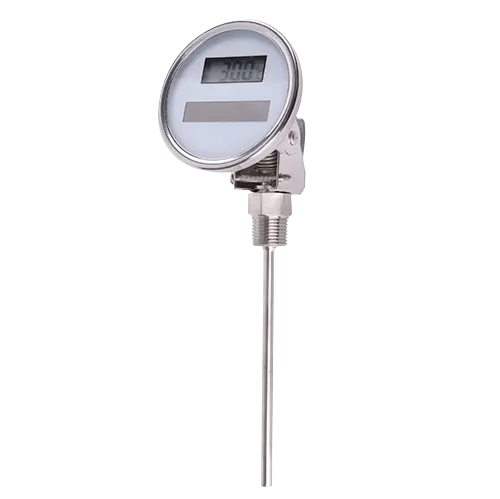
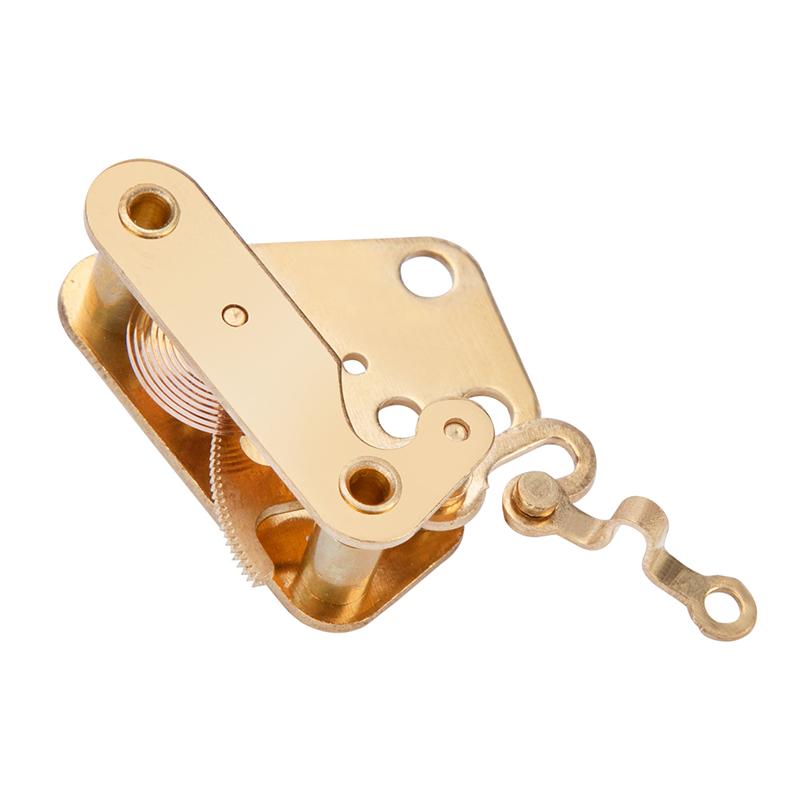
The operating principle of a contact pressure gauge involves a mechanical or electronic sensor that directly contacts the pressure medium. When pressure is applied, the sensor deflects, generating a readable output on a dial or digital display. The main types include:
This direct contact ensures quick response times and accurate measurement, making it ideal for applications requiring real-time monitoring.
Contact pressure gauges are essential across various industries where precise pressure measurement impacts performance and safety:
| Industry | Typical Use |
|---|---|
| Hydraulic Systems | Monitoring pump pressure and system load |
| Refrigeration & HVAC | Measuring refrigerant pressure to ensure system efficiency |
| Chemical Processing | Tracking pressure in reactors and pipelines |
| Industrial Machinery | Maintaining optimal operating pressure for safety and reliability |
| Water Treatment | Ensuring correct filtration and flow pressures |
Selecting the correct contact pressure gauge involves considering several technical and operational factors. Key selection criteria include:
For industrial professionals seeking reliability, brands like CSHERU offer a wide range of contact pressure gauges optimized for diverse environments.
Proper installation and regular maintenance are essential to maximize the performance and lifespan of contact pressure gauges:
Following these steps helps prevent system downtime and ensures that pressure measurements remain reliable over time.
Using a high-quality contact pressure gauge provides several advantages:
1. What is the difference between a contact pressure gauge and a standard pressure gauge?
A contact pressure gauge directly senses the pressure medium, providing faster and more accurate readings, whereas standard gauges may rely on indirect methods and can have slower response times.
2. How often should contact pressure gauges be calibrated?
Calibration is recommended at least once a year, or more frequently for critical applications, to ensure measurement accuracy.
3. Can contact pressure gauges be used with corrosive fluids?
Yes, but the gauge material must be compatible with the fluid. Many industrial gauges use stainless steel or specialized alloys to resist corrosion.
4. What are the common problems with contact pressure gauges?
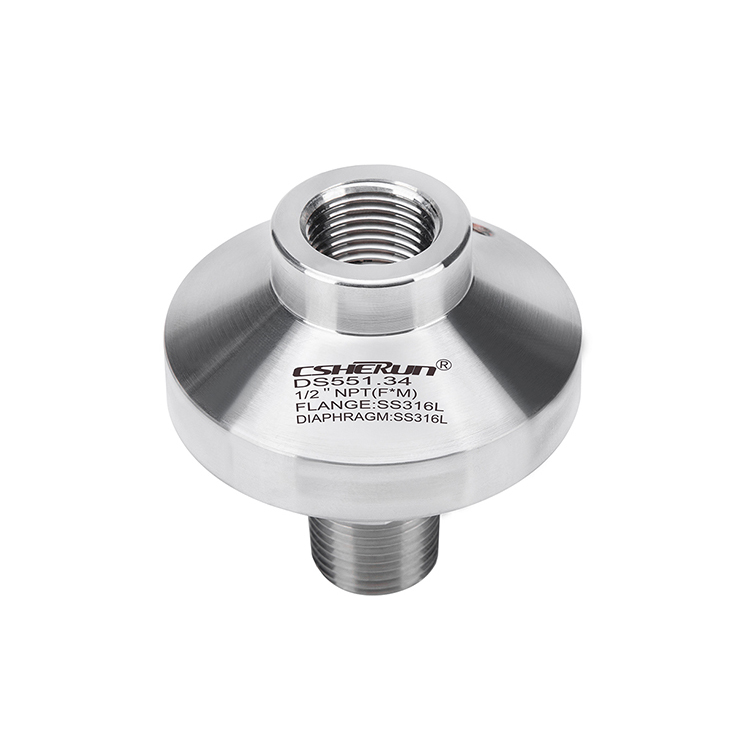
Common issues include sensor wear, diaphragm leaks, pointer misalignment, and electronic signal drift. Regular maintenance minimizes these problems.
Contact pressure gauges are essential tools for ensuring precise, reliable pressure monitoring in a wide range of industrial systems. By selecting the right gauge, maintaining proper installation, and performing regular maintenance, operators can enhance system safety and operational efficiency.
For high-quality contact pressure gauges designed to meet demanding industrial requirements, CSHERU provides a comprehensive range of reliable instruments. To learn more about our products or request a quote, please contact us today and speak with our technical specialists.