Abstract: Digital pressure gauges have become essential tools across industrial, commercial, and laboratory environments due to their precision, reliability, and ease of use. This article provides a comprehensive overview of how digital pressure gauges function, their advantages over traditional analog devices, and how to select the right model for specific applications. It also addresses common user challenges and offers practical solutions to enhance measurement accuracy and operational efficiency.
Accurate pressure measurement is critical in ensuring operational safety, product quality, and system efficiency. Traditional analog gauges often suffer from limited precision, mechanical wear, and readability issues. In contrast, digital pressure gauges provide enhanced accuracy, real-time data display, and advanced features that address these limitations.
For engineers, technicians, and procurement professionals, understanding how digital pressure gauges function and how to select the right model is essential for optimizing performance and minimizing downtime.
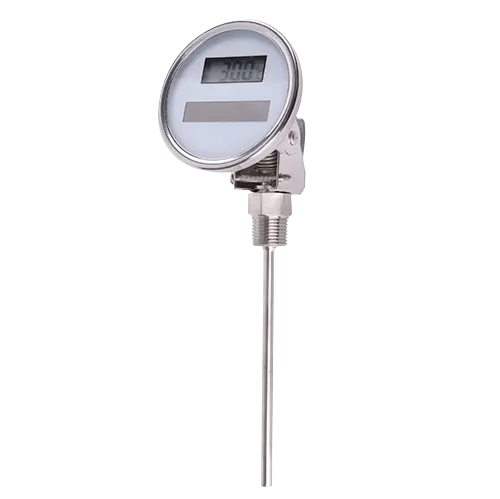
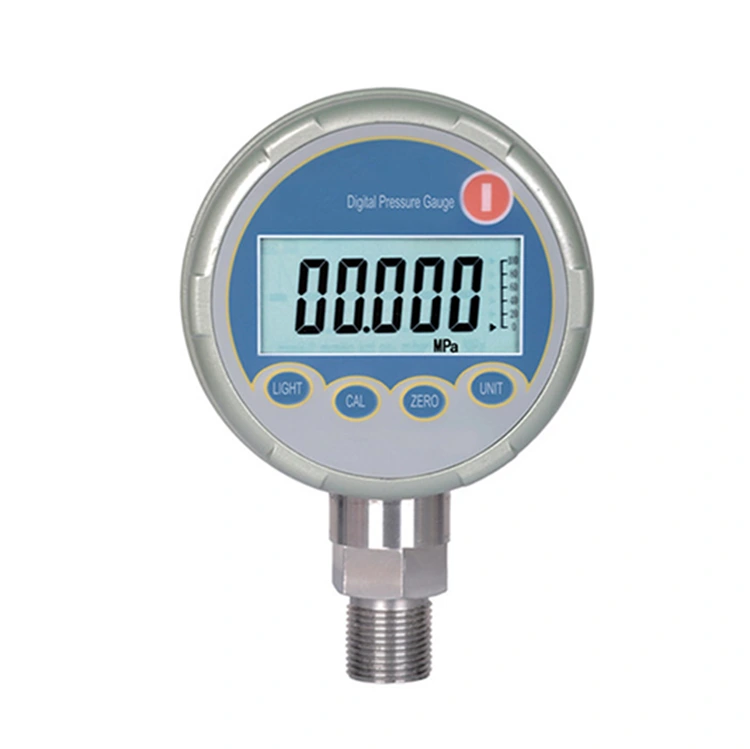
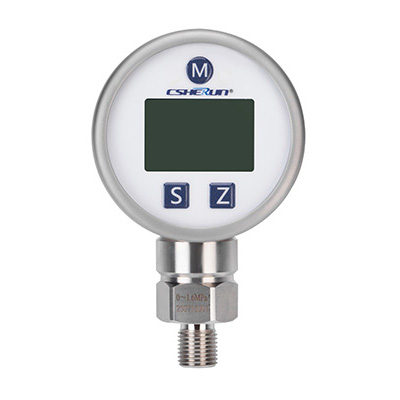
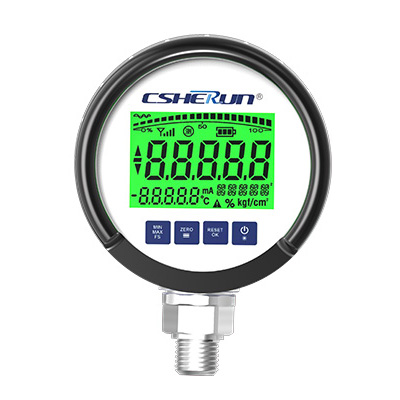
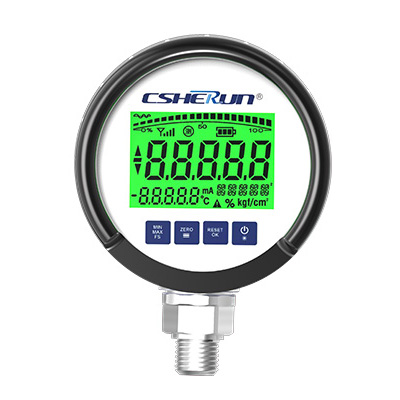
A digital pressure gauge measures pressure using an electronic sensor, typically a strain gauge or piezoresistive sensor. When pressure is applied, the sensor converts the mechanical force into an electrical signal. This signal is then processed by an internal microprocessor and displayed as a digital reading on an LCD or LED screen.
This process ensures higher precision and eliminates parallax errors commonly associated with analog gauges.
Digital pressure gauges offer several advantages that directly address common customer pain points:
Digital pressure gauges are widely used across various sectors:
These applications demand consistent accuracy, making digital solutions the preferred choice.
Selecting the appropriate digital pressure gauge requires evaluating several technical parameters:
Choosing the wrong specifications can lead to inaccurate readings and system inefficiencies.
| Parameter | Description |
|---|---|
| Measurement Range | -0.1 MPa to 60 MPa (customizable) |
| Accuracy | ±0.25% to ±0.5% FS |
| Display | LCD with backlight |
| Power Supply | 3V lithium battery or rechargeable option |
| Operating Temperature | -20°C to 60°C |
| Protection Level | IP65 / IP67 |
| Material | Stainless steel housing |
To ensure long-term performance and accuracy, regular maintenance is essential:
Proper maintenance reduces operational risks and extends the lifespan of the device.
Q1: What is the main difference between digital and analog pressure gauges?
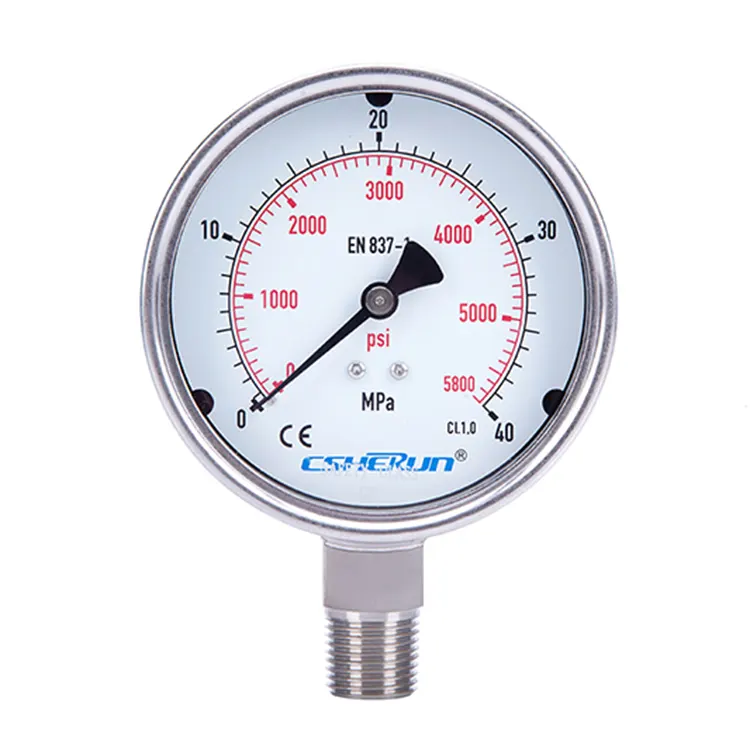
A: Digital pressure gauges provide higher accuracy, easier readability, and additional features such as data logging, while analog gauges rely on mechanical components and are more prone to wear.
Q2: How often should a digital pressure gauge be calibrated?
A: Calibration frequency depends on usage and industry standards, but typically ranges from every 6 to 12 months.
Q3: Can digital pressure gauges be used in harsh environments?
A: Yes, many models are designed with high protection ratings (IP65/IP67) and durable materials, making them suitable for demanding conditions.
Digital pressure gauges represent a significant advancement in pressure measurement technology. Their superior accuracy, ease of use, and advanced features make them indispensable in modern industrial applications. By selecting the right model and maintaining it properly, users can achieve consistent performance and improved operational efficiency.
CSHERUN specializes in high-quality digital pressure gauges designed to meet diverse industrial requirements. With a focus on precision, durability, and innovation, CSHERUN products deliver reliable performance across various applications.
If you are looking for a dependable solution to enhance your pressure measurement systems, contact us today to explore customized options and expert support tailored to your needs.