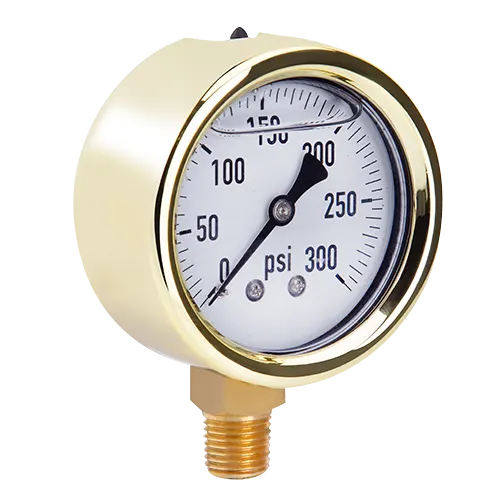
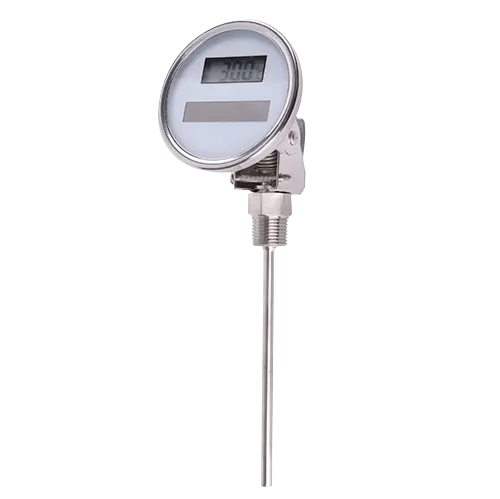
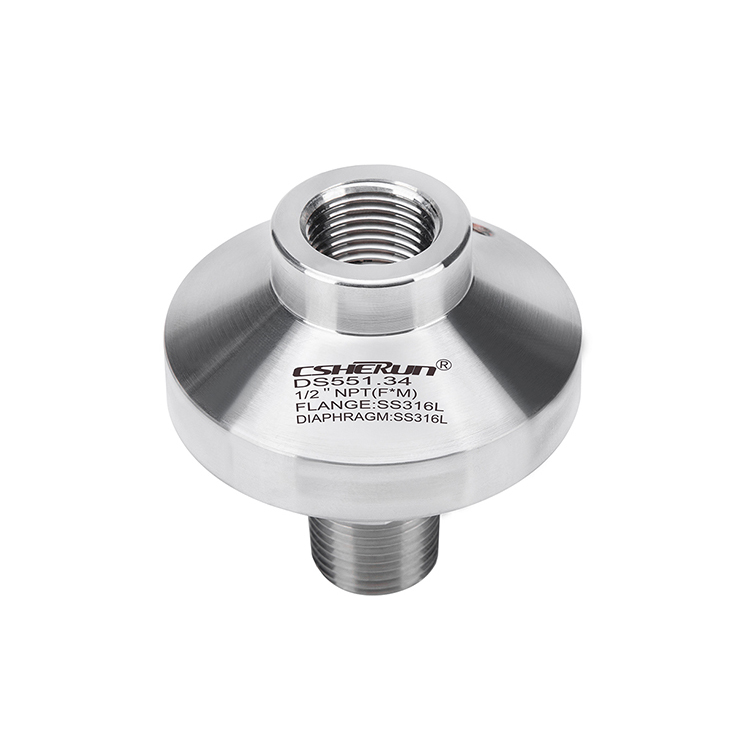
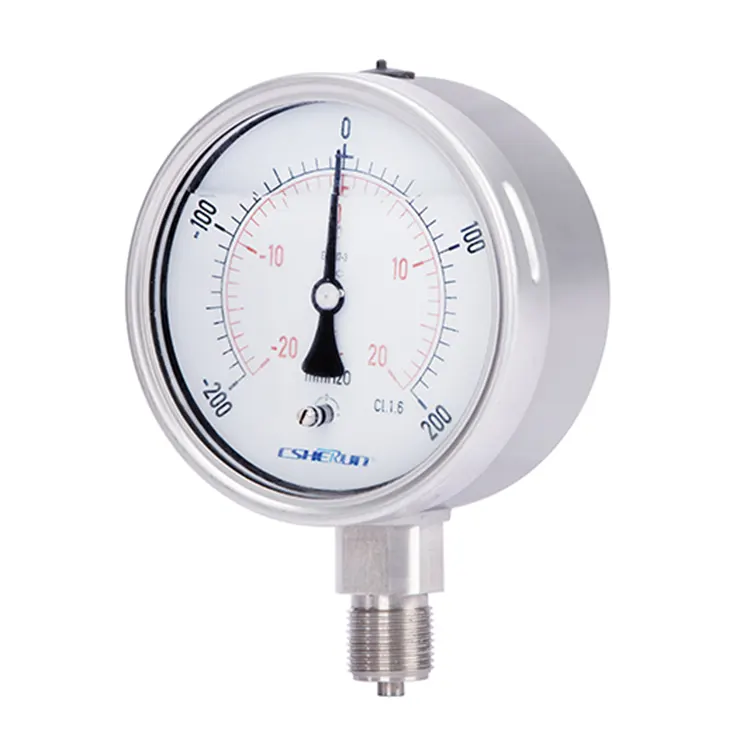
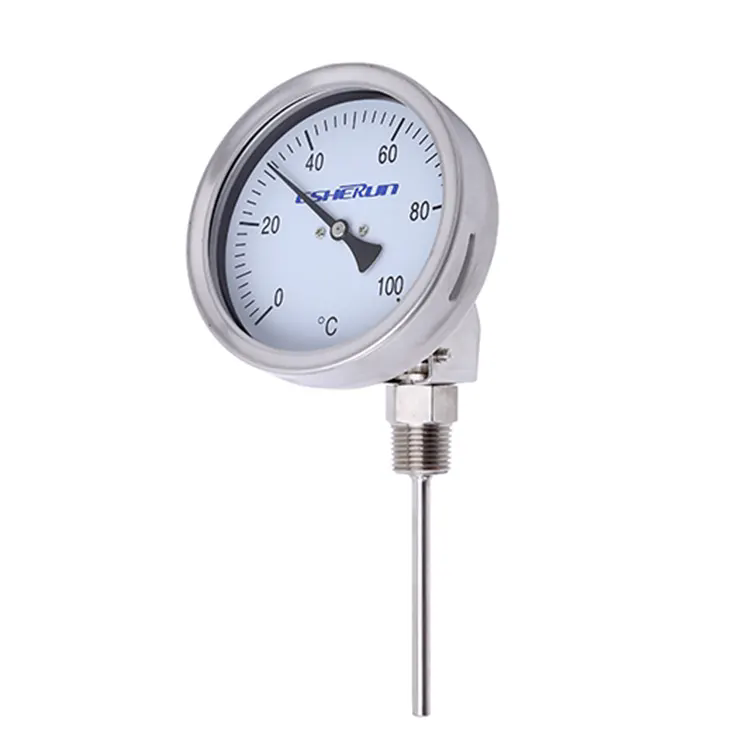
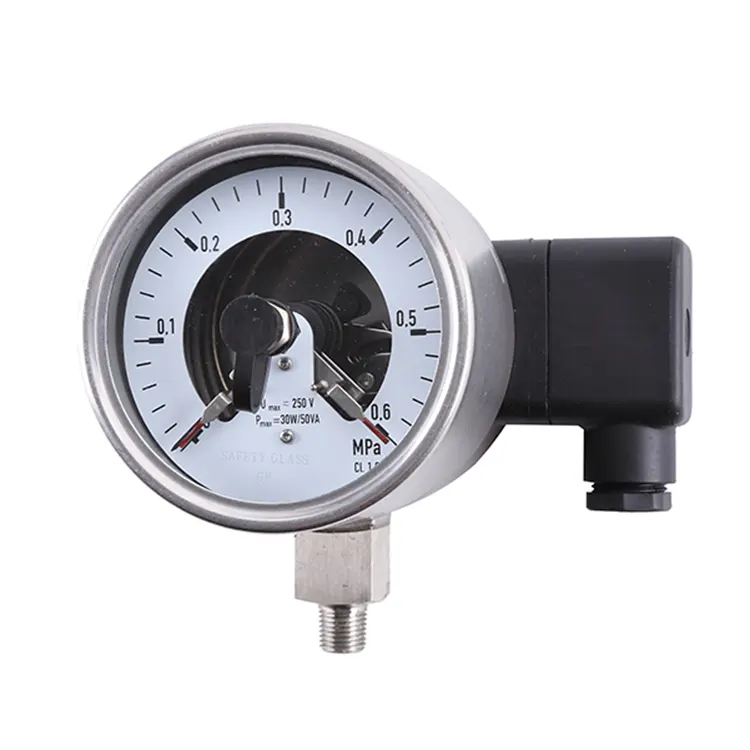
A Differential Pressure Gauge is a critical measuring instrument used to monitor the pressure difference between two points in a system. It plays a vital role in filtration monitoring, HVAC systems, cleanrooms, process control, and industrial safety. This in-depth guide explains how differential pressure gauges work, where they are used, how to choose the right model, and why reliable manufacturing from experienced suppliers like Changshu Herun matters for long-term performance and accuracy.
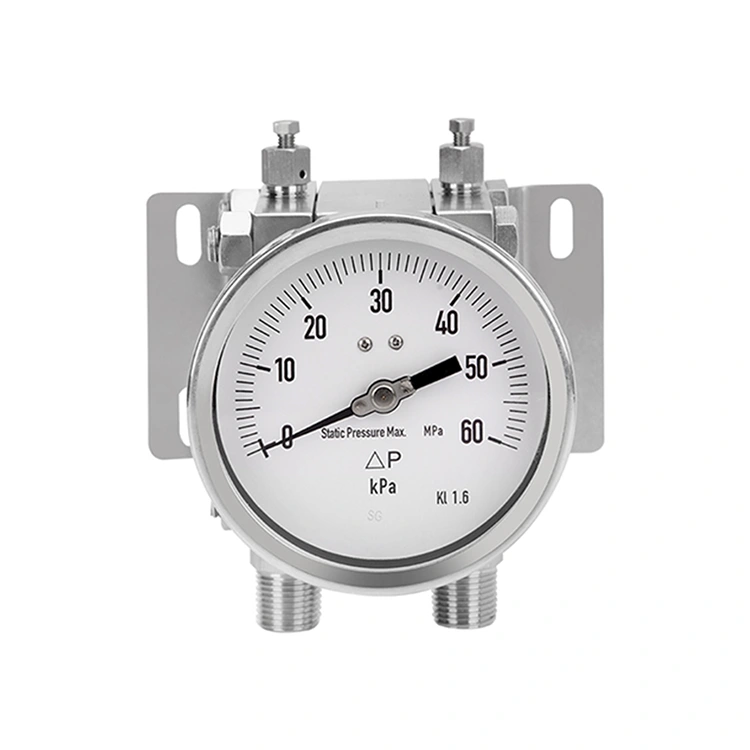
A Differential Pressure Gauge is an instrument designed to measure the difference in pressure between two separate points within a system. Unlike a standard pressure gauge that measures pressure relative to atmospheric pressure, a differential pressure gauge compares two pressures directly and displays their difference.
This measurement is essential in systems where pressure drop indicates performance, efficiency, or safety. For example, in a filtration system, an increasing pressure difference across a filter usually signals clogging or contamination.
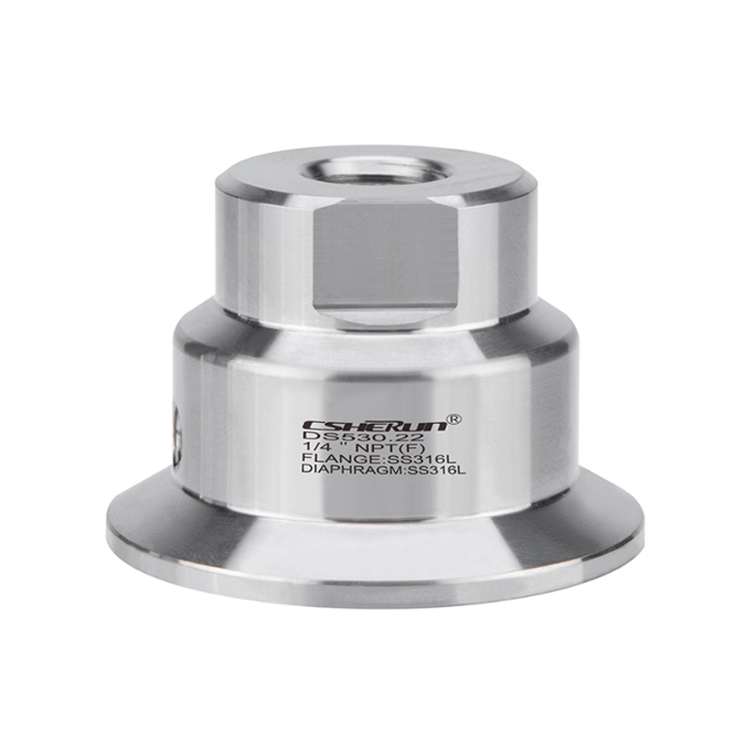
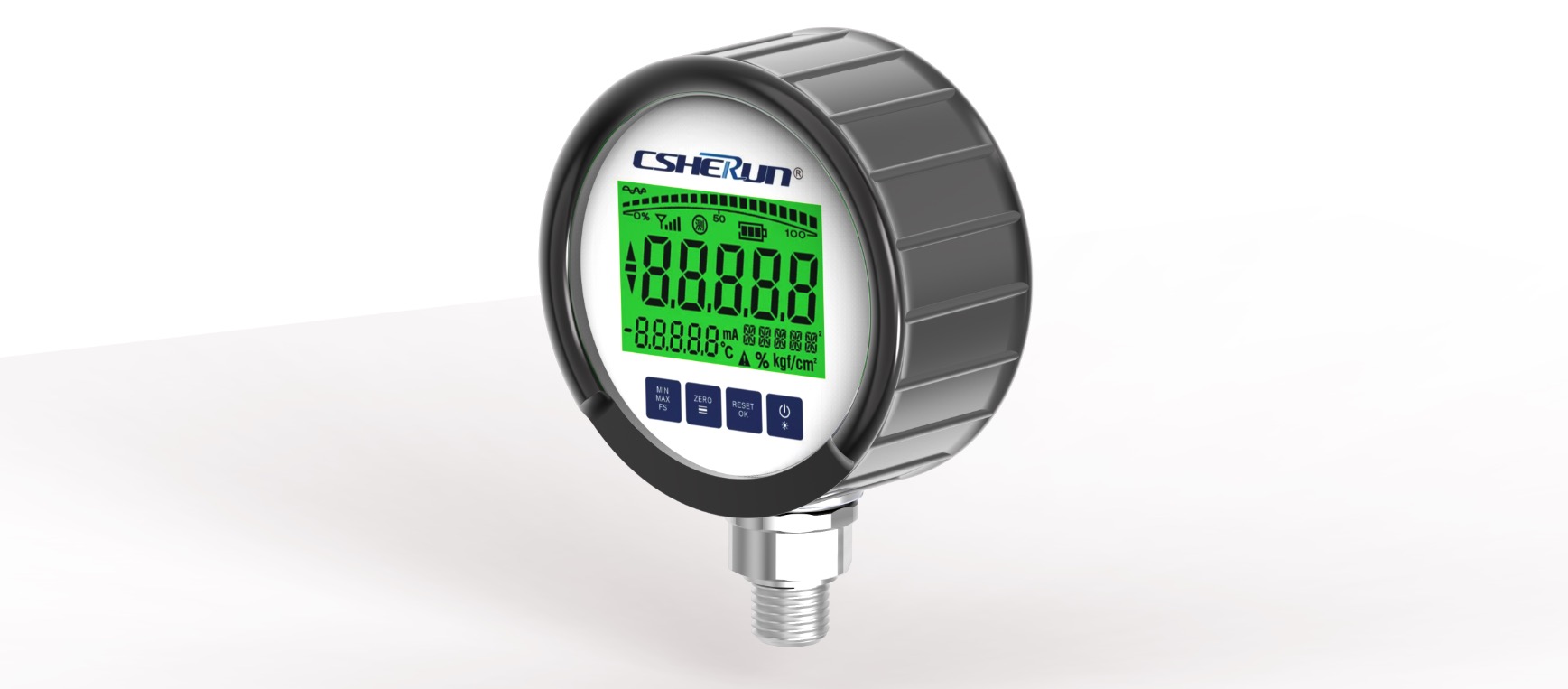
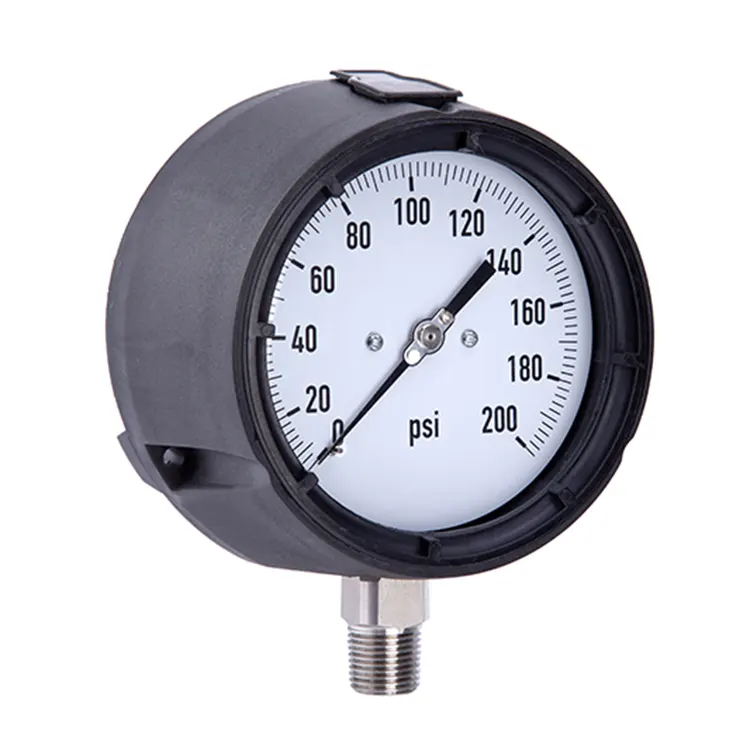
You can find a detailed overview of industrial-grade designs by visiting Differential Pressure Gauge product specifications.
The operating principle of a Differential Pressure Gauge is based on sensing two pressure inputs and translating their difference into a readable output. These inputs are usually labeled as:
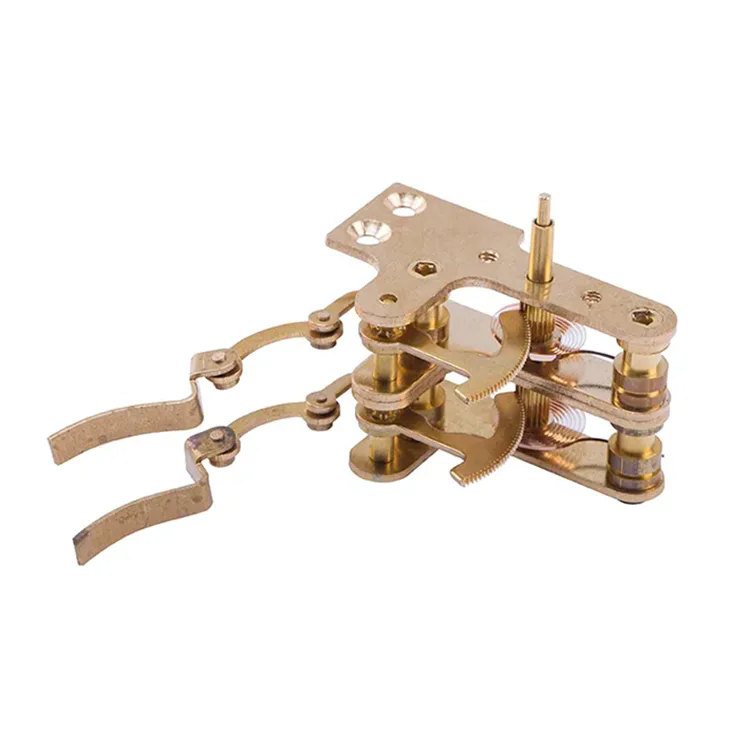
The gauge measures the force exerted by each pressure and calculates the difference (ΔP = P1 − P2). Mechanical differential pressure gauges commonly use:
These components ensure accurate readings even in harsh industrial environments where vibration, temperature changes, or contamination may be present.
A Differential Pressure Gauge is widely used across industries because pressure difference is often a direct indicator of system condition.
| Application | Purpose of Differential Pressure Measurement |
|---|---|
| Filtration Systems | Detect filter clogging and replacement timing |
| HVAC | Ensure balanced airflow and energy efficiency |
| Cleanrooms | Maintain positive or negative pressure zones |
| Industrial Processes | Monitor equipment performance and safety |
Choosing the right Differential Pressure Gauge starts with understanding the available types.
Using a high-quality Differential Pressure Gauge delivers measurable benefits:
In industries where downtime is expensive, accurate differential pressure monitoring is not optional—it is essential.
When selecting a Differential Pressure Gauge, engineers should consider:
Reliable manufacturers such as Changshu Herun design gauges that balance durability, accuracy, and cost-effectiveness for global industrial users.
Accuracy in a Differential Pressure Gauge depends on proper installation, regular calibration, and appropriate material selection.
Mechanical designs often offer longer service life with minimal maintenance compared to electronic alternatives.
Not all differential pressure gauges are created equal. Manufacturing expertise directly affects:
With years of experience in pressure instrumentation, Changshu Herun focuses on precision manufacturing, strict quality control, and application-driven design to meet international standards.
A Differential Pressure Gauge measures pressure difference to monitor system performance, flow conditions, or filter status.
Indirectly, yes. When used with flow elements such as orifice plates, pressure difference can be converted into flow rate.
Calibration frequency depends on application severity, but annual calibration is commonly recommended.
Yes. Mechanical differential pressure gauges are widely trusted for their robustness, simplicity, and long-term stability.
A Differential Pressure Gauge is far more than a simple measuring device—it is a key indicator of system health, efficiency, and safety. From filtration to cleanrooms and complex industrial processes, accurate differential pressure measurement enables informed decisions and proactive maintenance.
If you are looking for dependable solutions backed by manufacturing expertise, Changshu Herun offers a comprehensive range of differential pressure gauges designed for real-world industrial demands. To explore technical details or discuss your specific application requirements, contact us today and let our team help you find the right solution.