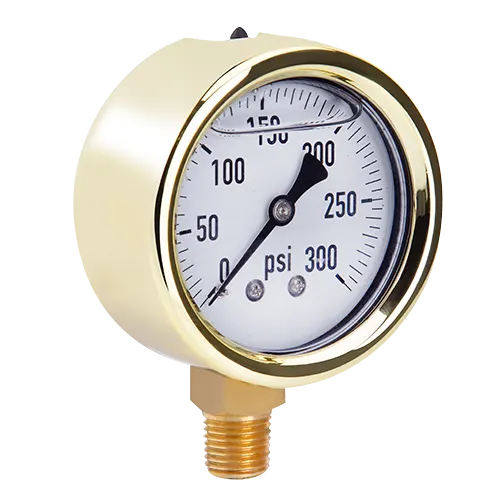
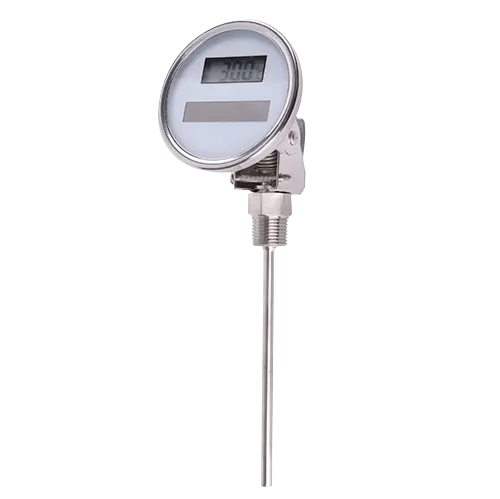
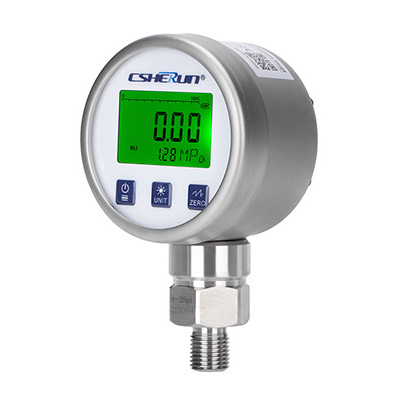
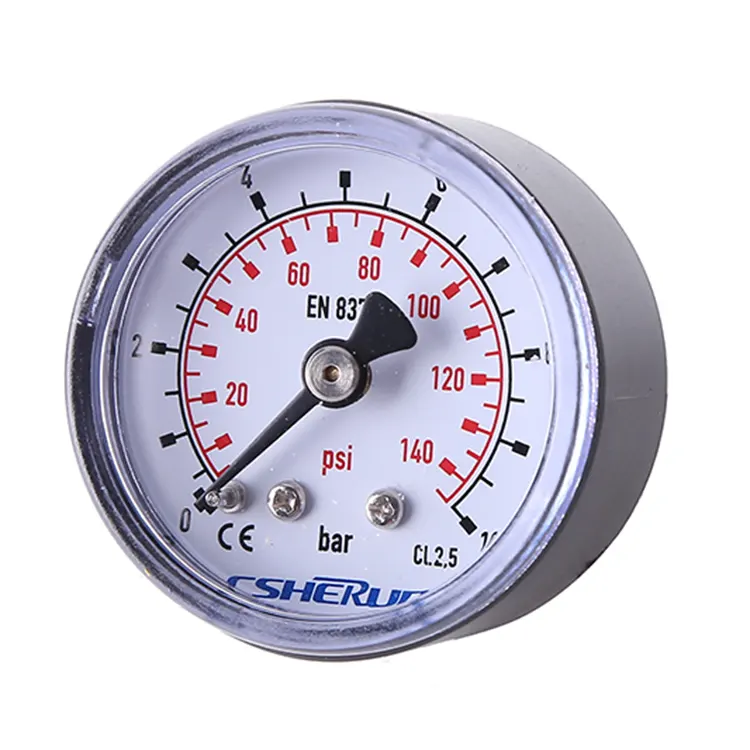
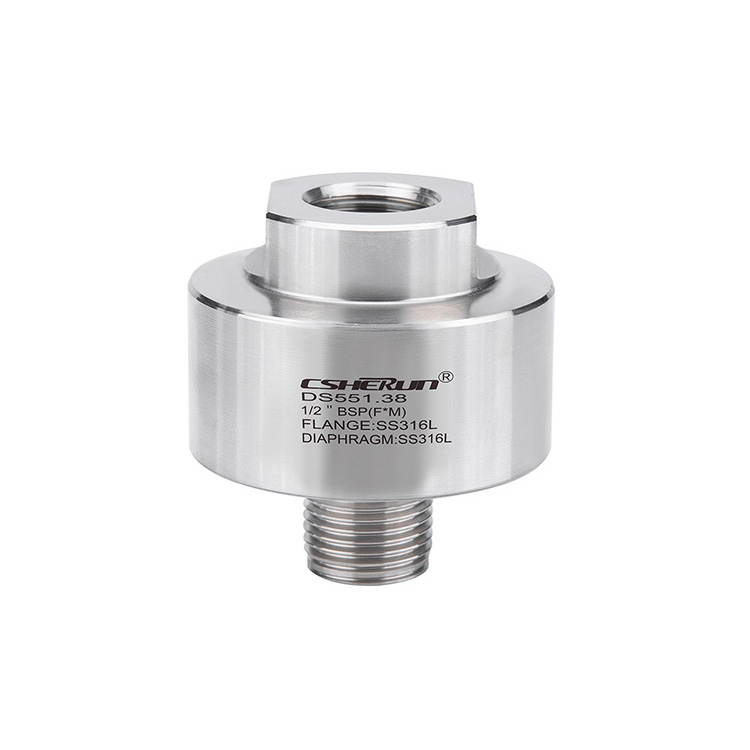
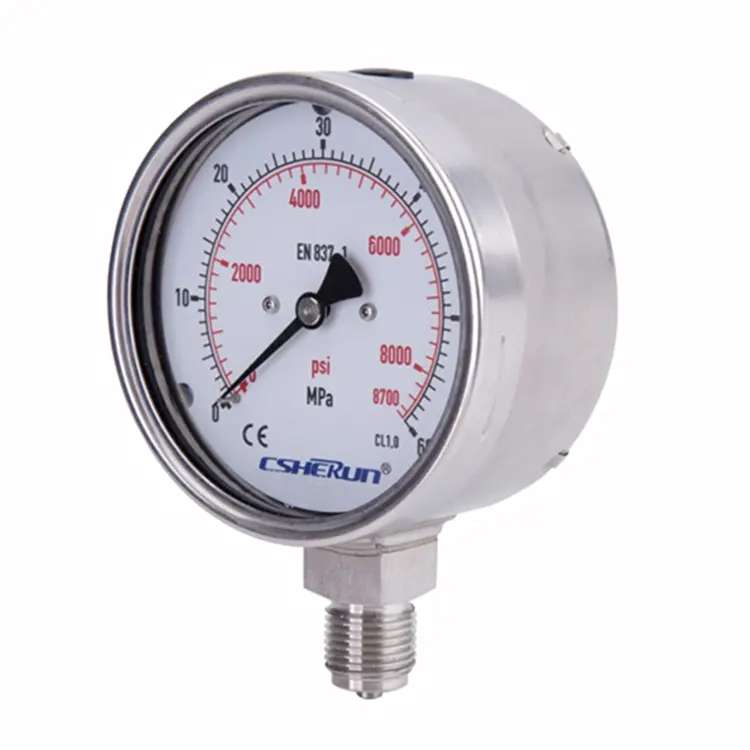
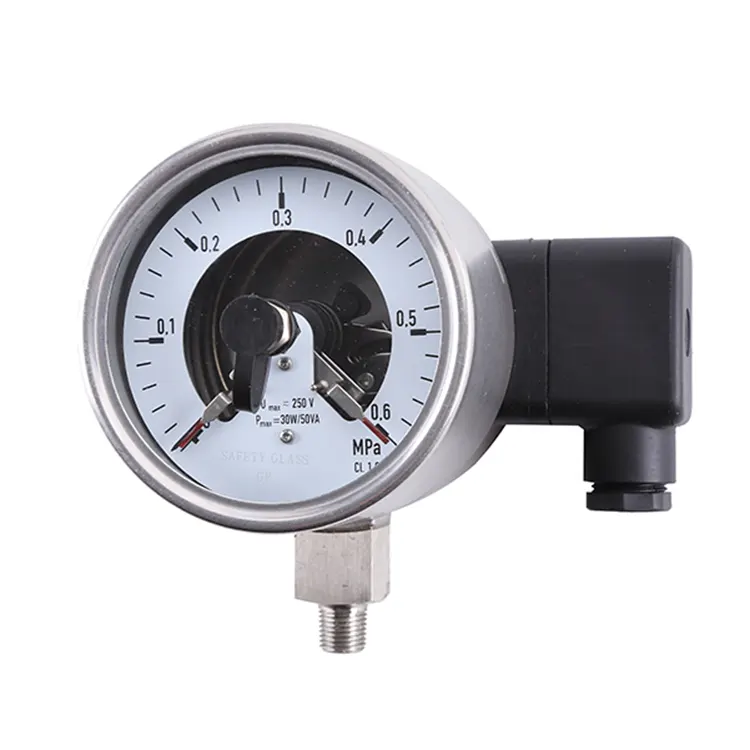
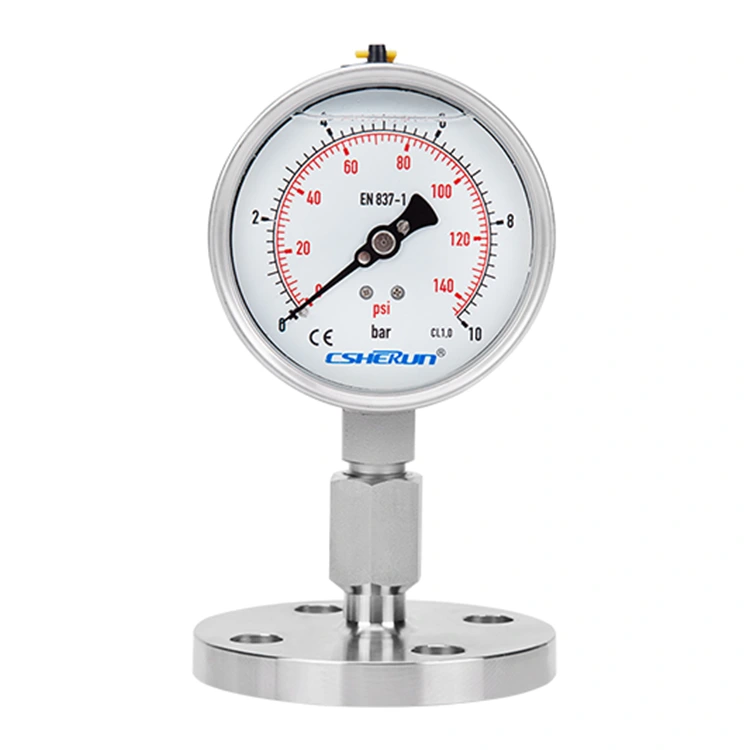
A Capsule Pressure Gauge is a precision instrument designed to measure low-pressure ranges with high sensitivity and stability. It is widely used in industries such as HVAC, medical equipment, environmental monitoring, gas regulation, and laboratory systems where accurate low-pressure measurement is critical. This article provides a comprehensive explanation of how a capsule pressure gauge works, its structural components, application scenarios, selection criteria, and common challenges faced by users. Clear explanations, structured sections, and practical guidance are included to help decision-makers and engineers choose the right solution for their specific requirements.

A capsule pressure gauge is a mechanical pressure measuring device specifically engineered for low-pressure environments. Unlike Bourdon tube gauges that are better suited for medium to high pressures, capsule gauges excel in measuring pressures typically below 600 mbar. Their sensitivity and repeatability make them indispensable in applications where small pressure variations must be detected reliably.
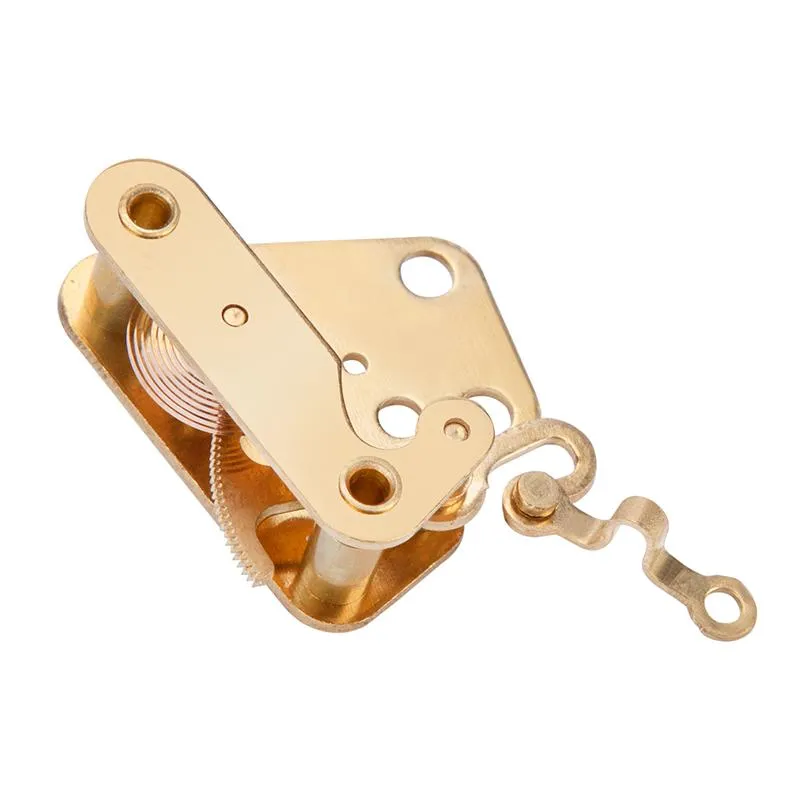
The defining feature of this instrument is its capsule element, which consists of two thin, corrugated diaphragms welded together. This design allows for enhanced elastic deformation even under minimal pressure changes, translating into accurate and readable output.
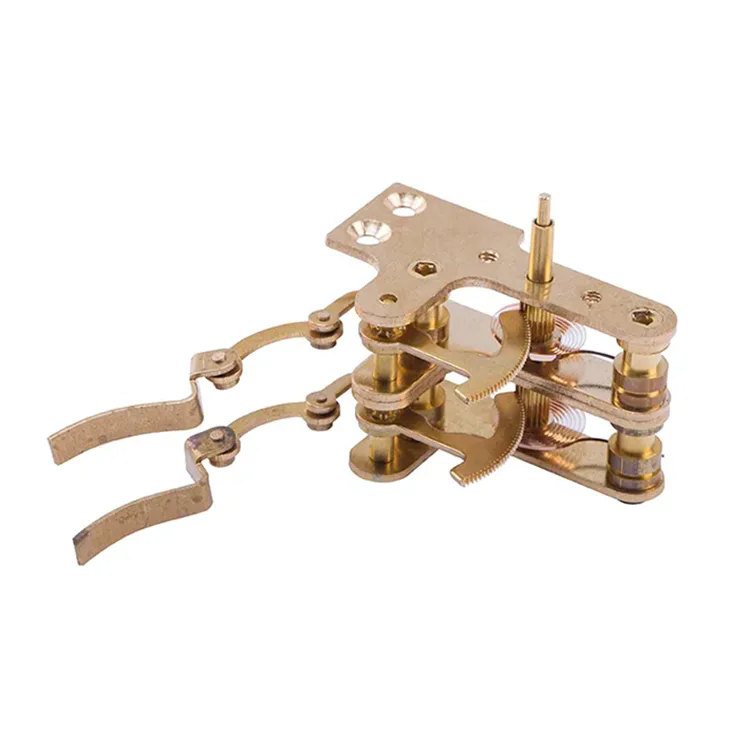
The operation of a capsule pressure gauge is based on elastic deformation. When pressure is applied to the capsule, the internal volume changes, causing the diaphragms to expand or contract. This movement is proportional to the applied pressure.
The deformation is transferred through a mechanical linkage system to a pointer, which moves across a calibrated dial. Because the capsule responds easily to small pressure changes, the gauge can display low-pressure values with excellent resolution.
This purely mechanical principle ensures stable performance without the need for external power, making capsule pressure gauges suitable for long-term continuous monitoring.
Capsule pressure gauges offer several advantages that directly address common industry challenges:
Due to their precision and reliability, capsule pressure gauges are widely applied in:
Selecting the appropriate capsule pressure gauge requires careful evaluation of operating conditions and measurement goals. Key factors include:
| Parameter | Typical Range |
|---|---|
| Measuring Range | 0–2.5 mbar to 0–600 mbar |
| Accuracy Class | ±1.6% or better |
| Case Material | Stainless Steel |
| Process Connection | G1/4, G1/2, NPT |
| Operating Temperature | -20°C to +60°C |
Users often encounter challenges such as inaccurate readings, mechanical fatigue, or environmental interference. These issues can be mitigated by:
Routine maintenance ensures consistent performance and extended service life. Visual inspection for pointer zero drift, mechanical wear, or housing damage should be performed periodically. Calibration intervals depend on application criticality but are generally recommended annually for precision systems.
What pressure range is best suited for a capsule pressure gauge?
Capsule pressure gauges are ideal for very low-pressure ranges, typically below 600 mbar.
Can capsule pressure gauges measure both positive and negative pressure?
Yes, many models are designed for differential, positive, or vacuum pressure measurement.
Are capsule pressure gauges suitable for corrosive media?
When manufactured with appropriate materials such as stainless steel, they can be used with mildly corrosive gases.
Understanding how a Capsule Pressure Gauge works and how to select the right model is essential for achieving accurate and reliable low-pressure measurement. With proper selection, installation, and maintenance, these instruments provide long-term stability and dependable performance across a wide range of applications.
CSHERUN offers a comprehensive range of capsule pressure gauge solutions engineered for precision, durability, and consistent quality. For detailed specifications or customized support, please contact us to discuss your application requirements and receive professional assistance.