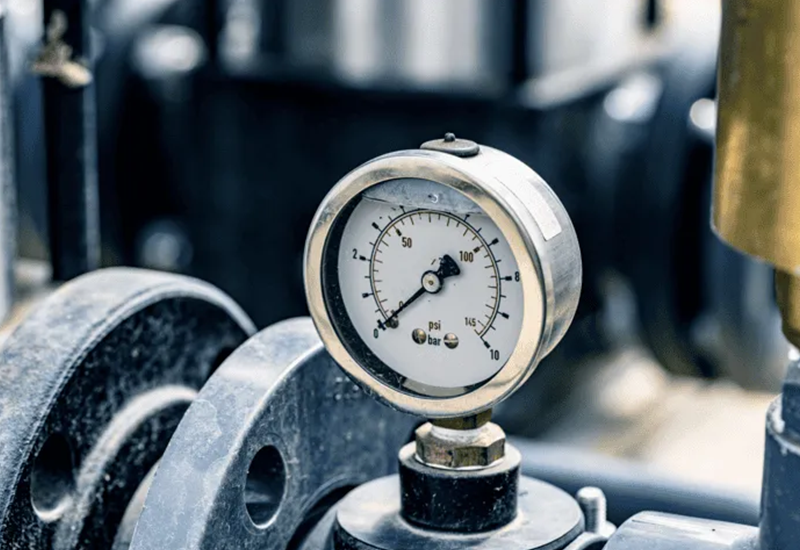
Summary: Bimetal thermometers are essential tools in industrial and commercial applications for accurate temperature measurement. This article explores their design, function, applications, and maintenance tips to help professionals make informed decisions when choosing a reliable thermometer.
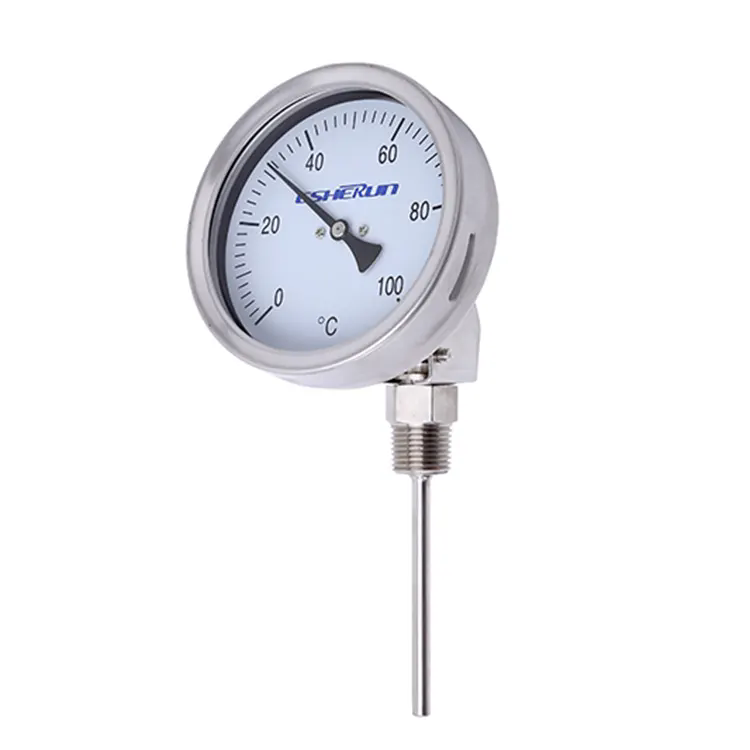
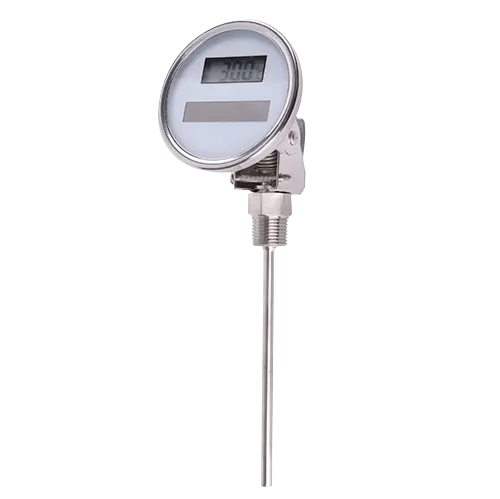
A bimetal thermometer is a mechanical temperature measuring device that uses two different metals bonded together to sense temperature changes. These thermometers are widely used in industries such as HVAC, food processing, chemical manufacturing, and more.
The combination of metals ensures a reliable mechanical response to temperature variations without the need for electricity, making it cost-effective and durable.
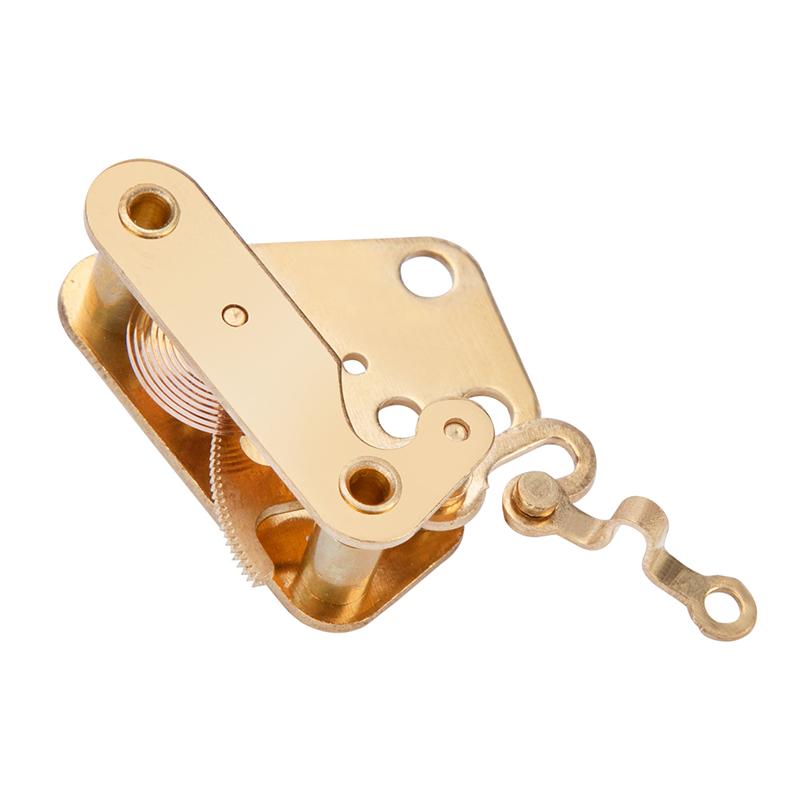
The working principle of a bimetal thermometer relies on the difference in thermal expansion of two metals. When temperature changes, the metals expand or contract at different rates, causing the bimetal strip to bend. This bending motion is mechanically linked to a pointer on a dial, providing a visual temperature reading.
| Type | Description | Common Applications |
|---|---|---|
| Dial Stem Thermometer | Compact and widely used for general industrial applications | HVAC systems, food industry |
| Surface Bimetal Thermometer | Designed to measure surface temperature directly | Machinery monitoring, pipelines |
| Remote Bimetal Thermometer | Uses a capillary tube to measure temperature from a distance | Boilers, tanks, and chemical plants |
Bimetal thermometers offer several advantages over other temperature measuring devices. Understanding these benefits can help businesses choose the right equipment for their applications.
These characteristics make bimetal thermometers a preferred choice for industries requiring consistent and long-term temperature monitoring.
Bimetal thermometers are versatile and used across multiple sectors. Here are some key applications:
| Advantages | Limitations |
|---|---|
| Durable in industrial environments | Limited to mechanical temperature ranges (usually up to 300°C) |
| No electricity required | Lower precision compared to digital thermometers |
| Easy to read dial display | Slower response time in rapidly changing temperatures |
Proper maintenance ensures the longevity and accuracy of a bimetal thermometer:
For high-quality bimetal thermometers, trust Changshu Herun Import&Export Co., Ltd. Their products combine durability, accuracy, and reliable industrial performance. Visit Changshu Herun Bimetal Thermometers to explore the full range, and contact us for personalized solutions to your temperature monitoring needs.