
Table of Contents
- Introduction
- Basic Principle of Pressure Gauge Movement
- Types of Pressure Gauge Movements
- Common Issues and Troubleshooting
- Installation and Maintenance Tips
- Frequently Asked Questions
- Conclusion
Introduction
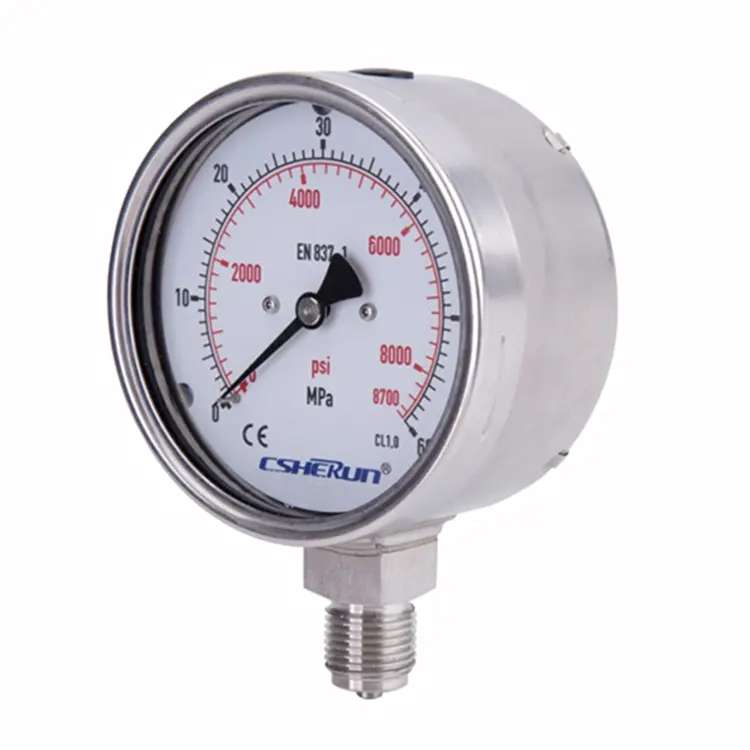
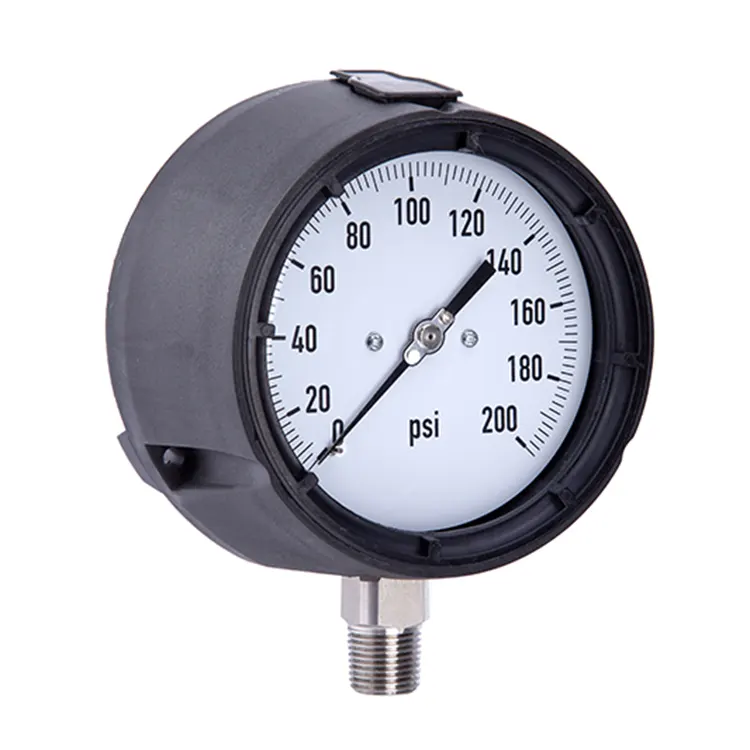
Pressure gauges are essential instruments in monitoring and controlling various processes in industries such as chemical, petrochemical, oil & gas, and water treatment. The pressure gauge movement is the core mechanism that translates the applied pressure into a readable measurement on the dial. Understanding how these movements function can help prevent errors, enhance safety, and improve operational efficiency.
Basic Principle of Pressure Gauge Movement
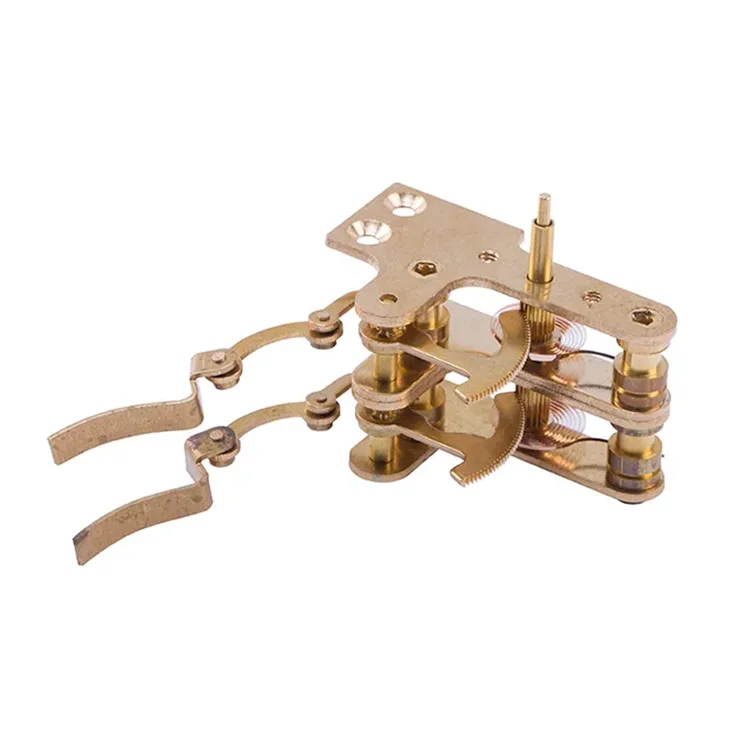
The fundamental principle of a pressure gauge movement relies on converting pressure into mechanical motion. When fluid pressure enters the gauge, it acts on a sensing element that moves a pointer on a calibrated scale. This conversion allows operators to interpret the pressure accurately.
Key Components:
- Sensing Element: The part that reacts to pressure changes. Common types include Bourdon tubes, diaphragms, and bellows.
- Linkage Mechanism: Transfers motion from the sensing element to the pointer.
- Pointer and Dial: Displays the measured pressure for easy reading.
- Movement Housing: Protects the internal mechanism from environmental damage.
How Motion is Transmitted:
Typically, the motion of the sensing element is amplified through a mechanical linkage, often gears and levers, which rotates the pointer proportionally to the pressure applied. This ensures precision even for low or fluctuating pressures.
Types of Pressure Gauge Movements
Pressure gauge movements vary depending on the design and application requirements. Selecting the right type is essential for accurate and reliable measurement.
| Movement Type | Mechanism | Application |
|---|---|---|
| Bourdon Tube Movement | Curved tube straightens under pressure, moving the pointer. | Industrial applications, steam, gas, and hydraulic systems. |
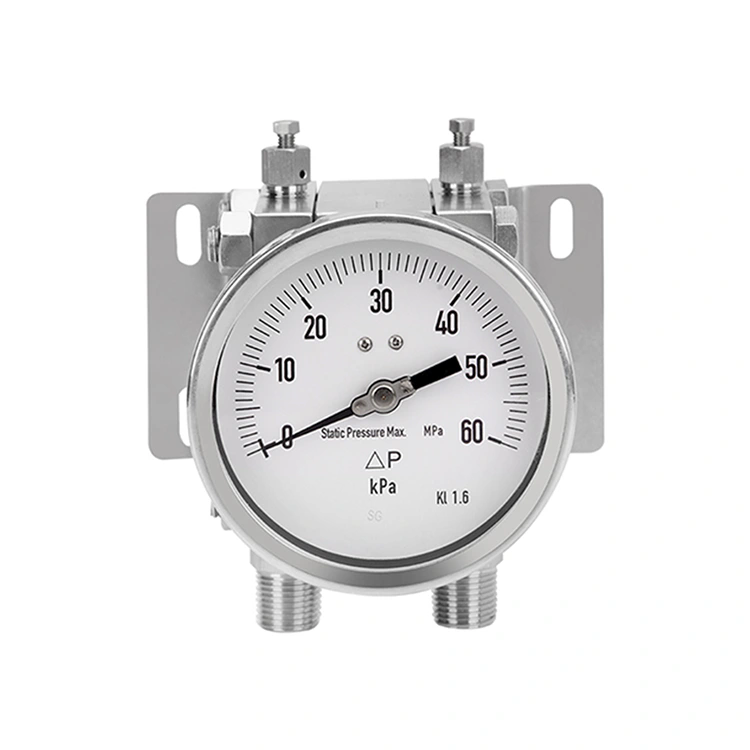
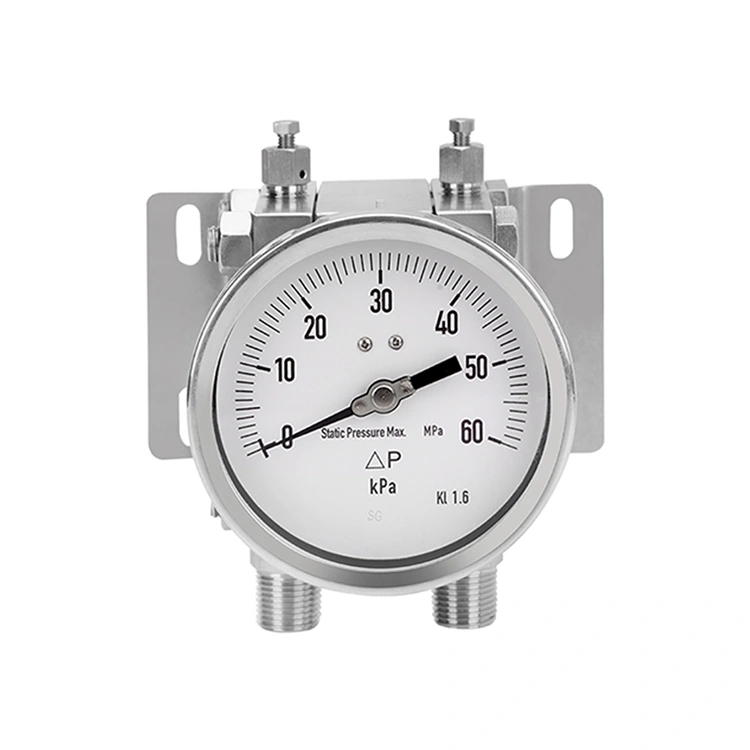
| Diaphragm Movement | Thin flexible diaphragm deforms under pressure. | Low-pressure measurement, corrosive fluids, vacuum systems. |
| Bellows Movement | Expandable and contractible bellows transmit motion to pointer. | High-precision measurement, laboratory instruments. |
| Capsule Movement | Two diaphragms welded together, sensitive to low pressures. | Medical, HVAC, and pneumatic systems. |
Common Issues and Troubleshooting
Even the most robust pressure gauge movements can face challenges. Recognizing common problems allows timely maintenance and ensures measurement accuracy.
Typical Problems:
- Sticking Pointer: Caused by dirt, corrosion, or mechanical wear. Solution: Clean and lubricate the movement.
- Inaccurate Readings: May result from overpressure, fatigue in the sensing element, or loose linkages. Solution: Recalibrate or replace worn components.
- Leakage: Occurs at joints or diaphragm seals. Solution: Inspect and replace seals promptly.
- Vibration Effects: Can cause pointer flutter. Solution: Use a liquid-filled case or vibration-resistant mounting.
Installation and Maintenance Tips
Proper installation and routine maintenance prolong the life of a pressure gauge movement. Follow these best practices:
- Install the gauge in a vibration-free location whenever possible.
- Ensure the gauge orientation matches manufacturer recommendations.
- Protect the gauge from extreme temperatures and corrosive environments.
- Regularly calibrate the gauge using certified instruments.
- Check and lubricate mechanical linkages periodically.
- Replace worn or damaged components promptly to prevent failures.
Frequently Asked Questions
- Q: Can pressure gauges work with corrosive fluids?
- A: Yes, by using diaphragm or bellows movements with corrosion-resistant materials such as stainless steel.
- Q: How often should a pressure gauge be calibrated?
- A: Calibration is recommended at least once a year or more frequently in critical processes.
- Q: What is the difference between Bourdon tube and diaphragm movements?
- A: Bourdon tubes are suitable for higher pressures and industrial applications, while diaphragms are better for low-pressure, sensitive, or corrosive environments.
- Q: How do I avoid damage due to overpressure?
- A: Use pressure relief valves, snubbers, or choose a gauge rated above your maximum system pressure.
Conclusion
The operation of a pressure gauge movement is a fascinating interplay of mechanical precision and material science. By understanding the different types of movements, common issues, and proper maintenance practices, you can ensure reliable pressure measurement in your applications. CSHERUN provides high-quality pressure gauge movements designed for durability and accuracy, tailored to industrial and laboratory needs. To explore our range and consult with our specialists, please contact us.